
Introduction
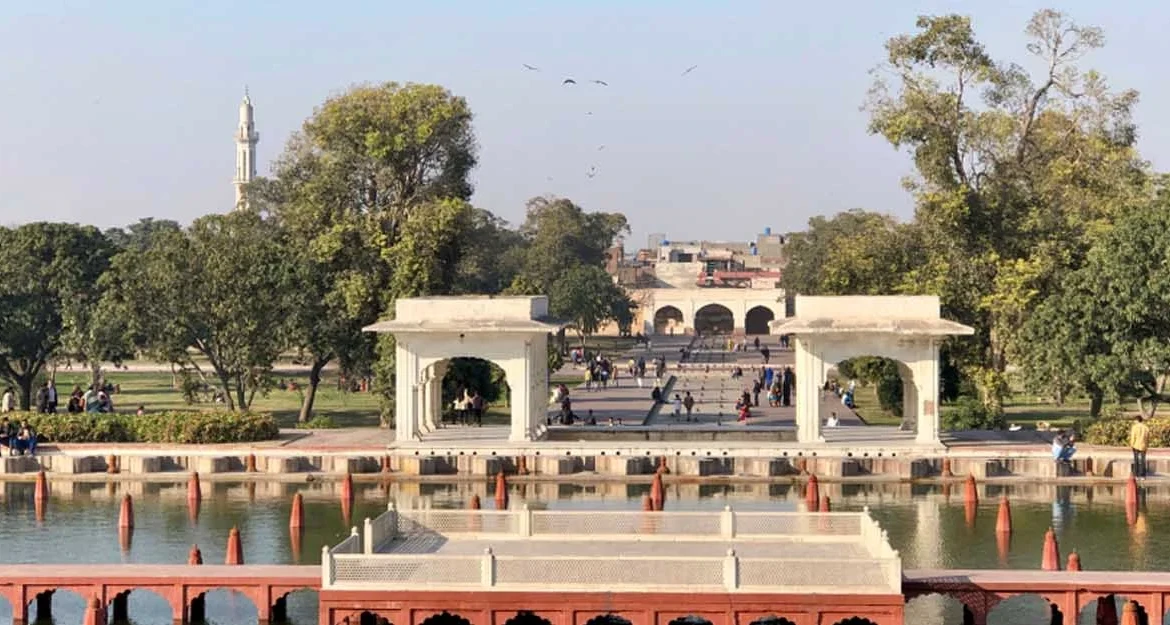
Shalimar Garden is one of the most beautiful historical landmarks in Lahore, Pakistan. It is famous for its Mughal architecture, flowing water channels, lush green lawns, and stunning fountains. Every year, thousands of local and international tourists visit Shalimar Garden to explore its rich history and peaceful atmosphere.
Built during the Mughal era, Shalimar Garden reflects the artistic vision of Emperor Shah Jahan. Today, it stands as a symbol of Lahore’s cultural heritage and remains one of the most visited tourist attractions in the city.
Shalimar Garden is also featured among the Top 9 Historical Sites in Lahore, making it an essential stop for anyone exploring the city’s rich heritage.
Location of Shalimar Garden
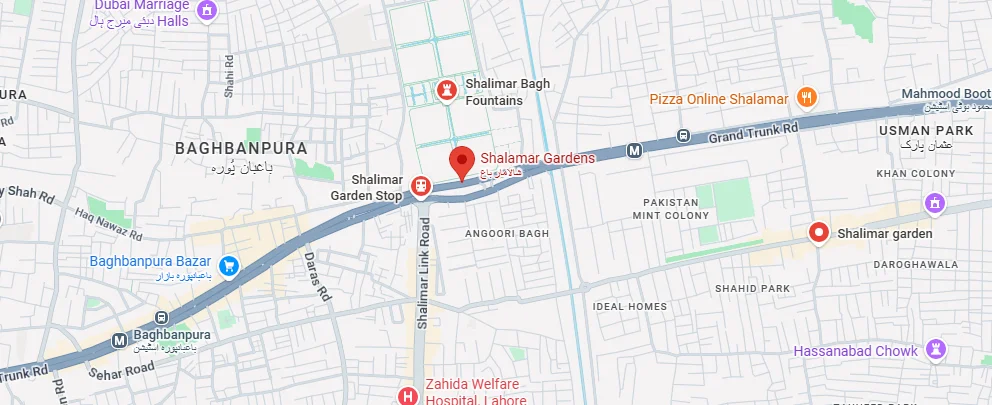
Shalimar Garden is located on Grand Trunk (GT) Road in Lahore, Punjab, Pakistan. It is about 5 kilometers northeast of the Walled City of Lahore.
The garden sits in a busy area of the city and is easily accessible from different parts of Lahore.
How to Reach Shalimar Garden
Reaching Shalimar Garden is easy due to Lahore’s road network and public transport system.
By Car
If you are traveling by car, use GT Road to reach Shalimar Garden. The journey usually takes 20 to 30 minutes from central Lahore, depending on traffic.
By Careem or Uber
Ride-hailing services such as Careem and Uber operate throughout Lahore. They offer a comfortable and convenient way to reach Shalimar Garden.
By Metro Bus
Visitors can travel through the Lahore Metro Bus service and then hire a rickshaw or taxi to reach the garden.
By Rickshaw
Auto-rickshaws are available across Lahore. They are a popular and affordable option for short-distance travel.
By Taxi
Private taxis are also available and provide a comfortable travel experience for families and tourists.
History of Shalimar Garden
The history of Shalimar Garden dates back to the Mughal Empire. Emperor Shah Jahan ordered its construction in 1641. The project was completed in 1642 under the supervision of Khalilullah Khan, a trusted noble of the Mughal court.
Shah Jahan wanted to create a magnificent garden that represented beauty, harmony, and paradise. Inspired by Persian garden designs, he included flowing water, fountains, terraces, trees, and flower beds.
During the Mughal period, Shalimar Garden served as a royal retreat. Emperors, nobles, and distinguished guests visited the garden for relaxation, celebrations, and official gatherings.
After the decline of the Mughal Empire, Lahore came under Sikh rule and later British rule. Despite these political changes, Shalimar Garden survived and retained much of its original beauty.
Today, Shalimar Garden remains one of the finest examples of Mughal landscape architecture in South Asia.
Architecture of Shalimar Garden
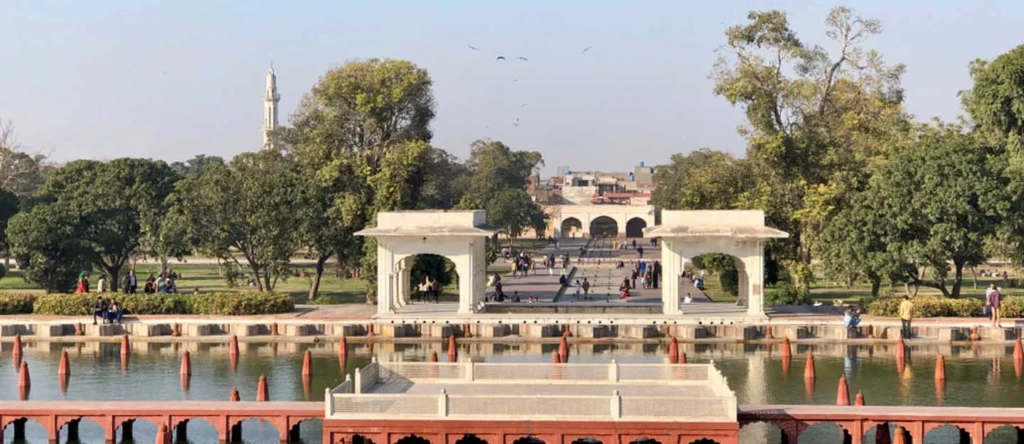
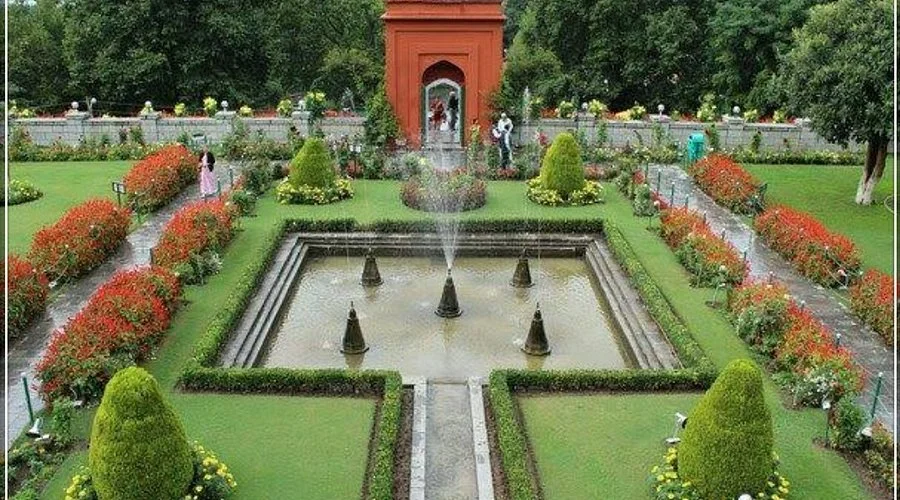
Shalimar Garden covers approximately 40 acres and follows the traditional Persian-inspired Charbagh style.
The garden features three terraces built at different levels.
Upper Terrace – Farah Baksh
The upper terrace is called Farah Baksh, which means “Bestower of Pleasure.”
Middle Terrace – Faiz Baksh
The middle terrace is known as Faiz Baksh, meaning “Bestower of Goodness.”
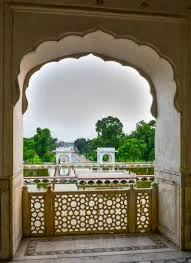
Lower Terrace
The lower terrace was designed for recreation and relaxation.
Beautiful pathways, fountains, pavilions, and water channels connect all three terraces.
The symmetry and balance of the design demonstrate the advanced planning skills of Mughal architects.
The Famous Fountains of Shalimar Garden
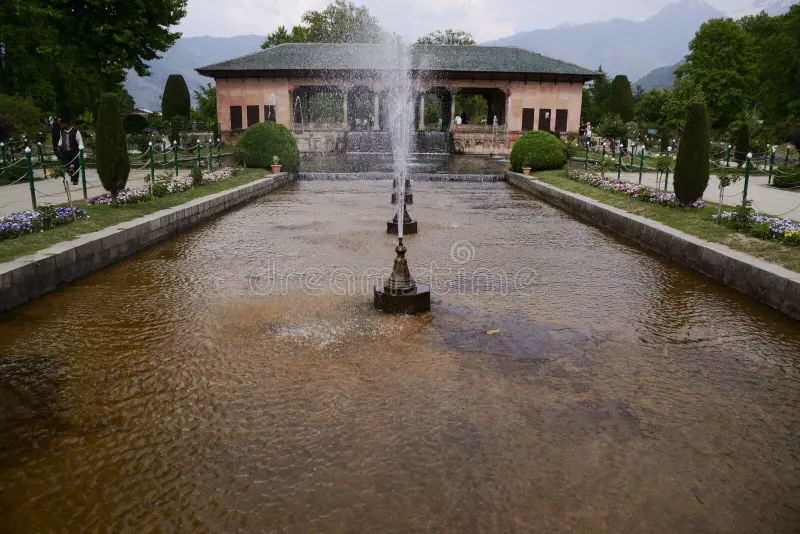
One of the most impressive features of Shalimar Garden is its fountain system.
The garden contains more than 400 fountains. Mughal engineers designed a sophisticated hydraulic system to supply water throughout the garden without modern machinery.
These fountains create a refreshing atmosphere and remain one of the main attractions for visitors.
Many historians consider the fountain system a remarkable achievement of seventeenth-century engineering.
Water System of Shalimar Garden
The water for Shalimar Garden originally came from a canal known as the Shah Nahar. Engineers carefully designed the canal to distribute water across the terraces and fountains.
This advanced water management system helped maintain the beauty of the garden throughout the year.
Even today, visitors admire the intelligence and craftsmanship behind this historic engineering project.
UNESCO World Heritage Status
UNESCO added Shalimar Garden and Lahore Fort to the World Heritage List in 1981.
This recognition highlights the cultural, historical, and architectural importance of the site.
The UNESCO status also helps promote conservation efforts to preserve Shalimar Garden for future generations.
Best Time to Visit Shalimar Garden
The best time to visit Shalimar Garden is between October and March.
During these months:
- The weather remains pleasant.
- Walking becomes more comfortable.
- The gardens look greener.
- Photography conditions improve.
Spring is especially attractive because flowers bloom throughout the garden.
Early morning and late afternoon are ideal times for sightseeing and photography.
Photography at Shalimar Garden
Shalimar Garden is one of the best photography locations in Lahore.
Popular photography spots include:
- Historic fountains
- Marble pavilions
- Water channels
- Mughal gateways
- Tree-lined pathways
- Terraced gardens
Photographers often visit during sunrise or sunset to capture the best natural lighting.
Travel Tips for Visitors
Follow these tips to enjoy your visit to Shalimar Garden:
- Wear comfortable shoes.
- Carry drinking water.
- Visit during cooler hours.
- Respect historical monuments.
- Avoid littering.
- Keep the garden clean.
- Bring a camera for memorable photos.
- Follow site regulations.
Nearby Places to Visit
After exploring Shalimar Garden, you can visit other famous attractions in Lahore:
- Badshahi Mosque
- Minar-e-Pakistan
- Data Darbar
- Delhi Gate
- Wagah Border
- Bagh-e-Jinnah
- Lahore Museum
- Lahore Safari Zoo
- Food Street Lahore
These sites offer a deeper understanding of Lahore’s rich history and culture.
Why Visit Shalimar Garden?
There are many reasons to visit Shalimar Garden:
- Experience Mughal architecture.
- Learn about Pakistan’s history.
- Enjoy peaceful surroundings.
- Explore UNESCO heritage.
- Capture beautiful photographs.
- Spend quality time with family and friends.
Shalimar Garden offers a unique combination of history, culture, architecture, and natural beauty.
Conclusion
Shalimar Garden is one of the most important historical sites in Pakistan. Built by Emperor Shah Jahan in the seventeenth century, the garden showcases the brilliance of Mughal architecture and engineering. Its terraces, fountains, water channels, and lush landscapes continue to attract visitors from around the world.
Whether you are a history enthusiast, a photographer, or a traveler exploring Lahore, Shalimar Garden deserves a place on your itinerary. A visit to Shalimar Garden provides a memorable journey into the glorious past of the Mughal Empire while offering a peaceful escape from the busy city life.If you are planning a complete city tour, check out our Lahore Travel Guide for the best attractions, local food spots, transportation tips, and travel recommendations.
