
Mohenjo-Daro is one of Pakistan’s most remarkable archaeological sites and an important window into the ancient Indus Civilization. Located in Sindh near Larkana, the ruins reveal evidence of a highly organized urban settlement that existed thousands of years ago. Its planned streets, brick structures, drainage system, wells, and public buildings continue to attract historians, archaeologists, and travelers.
Recognized as a UNESCO World Heritage Site in 1980, It offers visitors more than ancient ruins. It provides an opportunity to see how one of the world’s earliest urban societies designed and organized its city.
What Is Mohenjo-Daro?
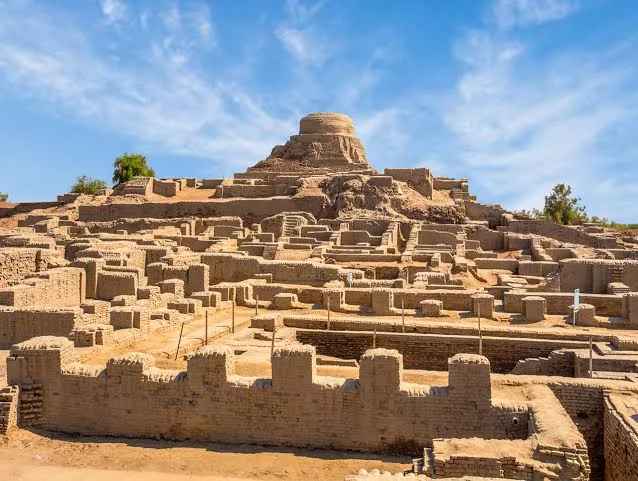
Mohenjo-Daro is an ancient archaeological settlement in Larkana District, Sindh, Pakistan, associated with the Indus Civilization. The site dates to the 3rd millennium BC and is considered one of the best preserved examples of an early urban settlement in South Asia.
The ancient city is particularly notable for its organized layout. Archaeological remains show carefully planned streets, residential areas, wells, drainage channels, and buildings constructed largely with baked bricks.
Rather than being a collection of isolated monuments, Mohenjo-Daro represents an entire ancient urban landscape. Walking through the ruins gives visitors a sense of how different parts of the city were arranged and connected.
Where Is Mohenjo-Daro Located?
Mohenjo-Daro is situated in Larkana District in the Sindh province of Pakistan. UNESCO places the archaeological site approximately 28 kilometers from Larkana and about 510 kilometers northeast of Karachi.
Its location makes Larkana the most practical nearby city for travelers planning a visit. Visitors coming from other parts of Pakistan can generally plan their journey around Larkana before continuing to the archaeological site.
Because much of Mohenjo-Daro is an open archaeological landscape, travelers should consider the weather and amount of walking involved when planning their visit.
History of Mohenjo-Daro
Mohenjo-Daro developed during the period of the Indus Civilization, one of the earliest urban civilizations of South Asia.
The remains suggest that its inhabitants had developed sophisticated approaches to urban organization. Streets were arranged according to a planned layout, while drainage systems, wells, brick buildings, and other infrastructure indicate considerable knowledge of construction and city management.
One of the most interesting aspects of Mohenjo-Daro is that its importance does not depend on a single monumental building. Instead, the ruins reveal how an entire city functioned.
Ancient Urban Planning
The city’s layout provides evidence of deliberate planning. Streets, houses, wells, and drainage infrastructure were incorporated into an organized urban environment.
The drainage system is particularly notable. Archaeological remains show that wastewater management was considered as part of the city’s design, offering an important insight into the engineering practices of the Indus Civilization.
The extensive use of standardized baked bricks is another feature that makes the site significant. Together, these remains demonstrate a level of urban organization that makes it important to the study of ancient civilizations.
Excavation and Archaeological Discoveries
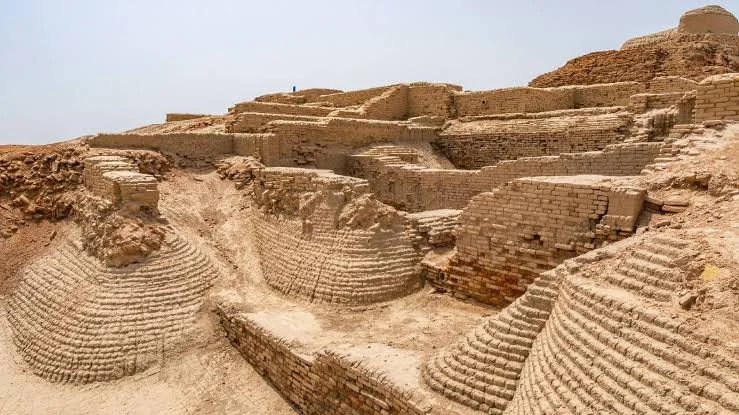
Mohenjo-Daro attracted major archaeological attention during the early 20th century, leading to extensive excavations and the discovery of large portions of the ancient settlement.
Excavations have revealed residential structures, public buildings, streets, drainage channels, wells, artifacts, and other remains that help researchers understand life in the ancient city.
The site has also become associated with several famous archaeological discoveries, including the Dancing Girl figurine and the sculpture commonly known as the Priest-King. These objects are important parts of the archaeological story of Mohenjo-Daro, although visitors should not assume that every famous artifact remains on display at the archaeological site itself.
Why Is Mohenjo-Daro Famous?
Mohenjo-Daro is famous because it provides remarkable evidence of early urban life in the Indus Civilization.
Its significance comes from several features:
- Carefully planned streets
- Sophisticated drainage infrastructure
- Baked-brick construction
- Public and residential structures
- Wells and water-management systems
- Evidence of organized urban life
- Archaeological discoveries associated with the Indus Civilization
The site helps demonstrate that large, organized urban communities existed in the region thousands of years ago.
For visitors, this makes it more than a historical landmark. It is an opportunity to explore the remains of an ancient city and understand how people lived, built, and organized their communities.
Is Mohenjo-Daro a UNESCO World Heritage Site?
Yes. The Archaeological Ruins at Mohenjo-Daro were added to the UNESCO World Heritage List in 1980 under criteria related to cultural exchange and the development of early urban civilization.
UNESCO recognizes Mohenjo-Daro for its outstanding archaeological value and describes it as an exceptionally well-preserved urban settlement from the beginning of the 3rd millennium BC.
Things to See at Mohenjo-Daro
A visit to Mohenjo-Daro is primarily about exploring the archaeological remains and understanding the layout of the ancient city. Some of the most notable features include the following.
1. The Great Bath
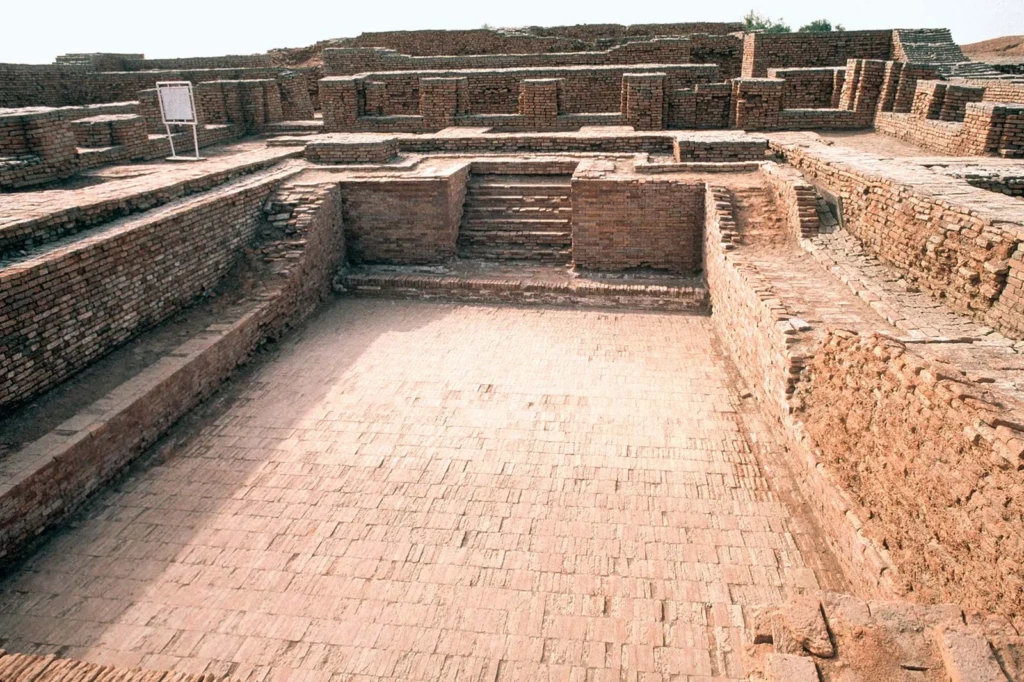
The Great Bath is one of the most recognizable structures associated with Mohenjo-Daro. Its carefully constructed design and waterproofing have made it an important subject of archaeological study.
Although historians have proposed different interpretations of its purpose, the structure clearly demonstrates the sophisticated construction techniques used at the site.
2. The Citadel
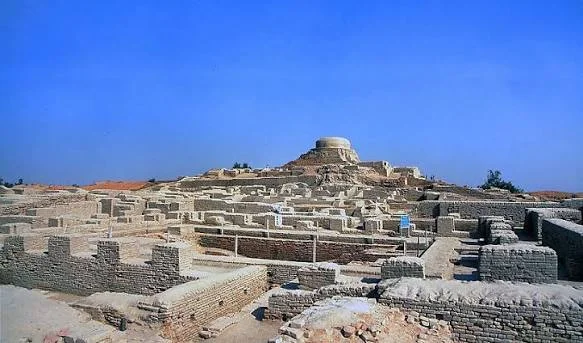
The elevated portion of Mohenjo-Daro contains several important structures and is commonly referred to as the Citadel.
Exploring this area helps visitors understand the distinction between different parts of the ancient settlement and gives a broader perspective on its urban design.
3. The Lower City
The Lower City contains extensive remains of streets, houses, wells, and other structures.
This area can be particularly interesting for visitors because it provides a glimpse into the everyday urban environment rather than focusing only on major public structures.
4. Ancient Streets and Drainage System
The streets and drainage infrastructure are among the strongest reminders of Mohenjo-Daro’s advanced urban planning.
Visitors can observe sections of the ancient layout and see how drainage channels were incorporated into the city’s construction.
5. The Buddhist Stupa
A Buddhist-period stupa stands prominently above part of the archaeological ruins. It belongs to a much later period than the original Indus Civilization settlement and demonstrates that the site continued to have historical significance long after the ancient city declined.
6. Mohenjo-Daro Museum
The on-site museum contains archaeological material connected with the site and provides additional context for visitors.
Seeing artifacts and archaeological exhibits alongside the ruins can make the visit more meaningful, especially for travelers who want to understand what archaeologists have learned from the site.
How to Reach Mohenjo-Daro
The easiest route depends on the traveler’s starting point, but Larkana is the main nearby city to use as a reference point.
From Larkana
Travelers can continue from Larkana to the archaeological site by road using a private vehicle or local transport arrangement.
From Karachi
Travelers from Karachi have a considerably longer journey. Because the site is approximately 510 kilometers northeast of Karachi, it is sensible to plan the trip as part of a wider Sindh itinerary rather than treating it as a short day excursion from Karachi.
From Sukkur
Sukkur can also serve as a useful starting point for travelers exploring northern Sindh, depending on the overall route.
Before traveling, visitors should check current road conditions and available transportation because journey times can vary.
Best Time to Visit Mohenjo-Daro
The cooler months are generally more comfortable for exploring Mohenjo-Daro because much of the experience involves walking outdoors among the archaeological remains.
October through March is a practical period to consider for a visit, particularly for travelers who want to spend more time exploring the site.
During the hotter months, temperatures in Sindh can make extended outdoor sightseeing uncomfortable. Visitors traveling during warmer periods should consider arriving early and carrying adequate water and sun protection.
Why Mohenjo-Daro Matters to Pakistan’s Heritage
It is an important part of Pakistan’s cultural and archaeological heritage. Its ruins connect modern visitors with a civilization that developed sophisticated forms of urban organization thousands of years ago.
Alongside sites such as Taxila, Lahore Fort, Rohtas Fort, and other historical destinations, It helps demonstrate the extraordinary depth of Pakistan’s heritage.
Frequently Asked Questions
What is Mohenjo-Daro famous for?
Mohenjo-Daro is famous for its ancient urban remains, sophisticated city planning, drainage system, baked-brick structures, and connection with the Indus Civilization.
Where is Mohenjo-Daro located?
Mohenjo-Daro is located in Larkana District, Sindh, Pakistan, approximately 28 kilometers from Larkana.
How old is Mohenjo-Daro?
It dates to the 3rd millennium BC and is associated with the Indus Civilization.
What is the best time to visit Mohenjo-Daro?
The cooler months, particularly October through March, are generally more comfortable for exploring the archaeological site. Visitors should also consider arriving early to avoid the strongest daytime heat.
What can visitors see at Mohenjo-Daro?
Visitors can explore the Great Bath, Citadel, Lower City, ancient streets, drainage structures, Buddhist Stupa, and the archaeological museum.
Conclusion
It offers a rare opportunity to explore the remains of one of South Asia’s earliest major urban settlements. From its carefully planned streets and drainage system to the Great Bath, Citadel, museum, and other archaeological remains, the site provides a fascinating look into the achievements of the Indus Civilization.
For a more enjoyable visit, travelers should plan around the weather, wear comfortable footwear, carry water, check current visitor information, and treat the archaeological remains with care. A thoughtful visit not only makes the experience better but also helps support the long-term preservation of this extraordinary part of Pakistan’s heritage.
