
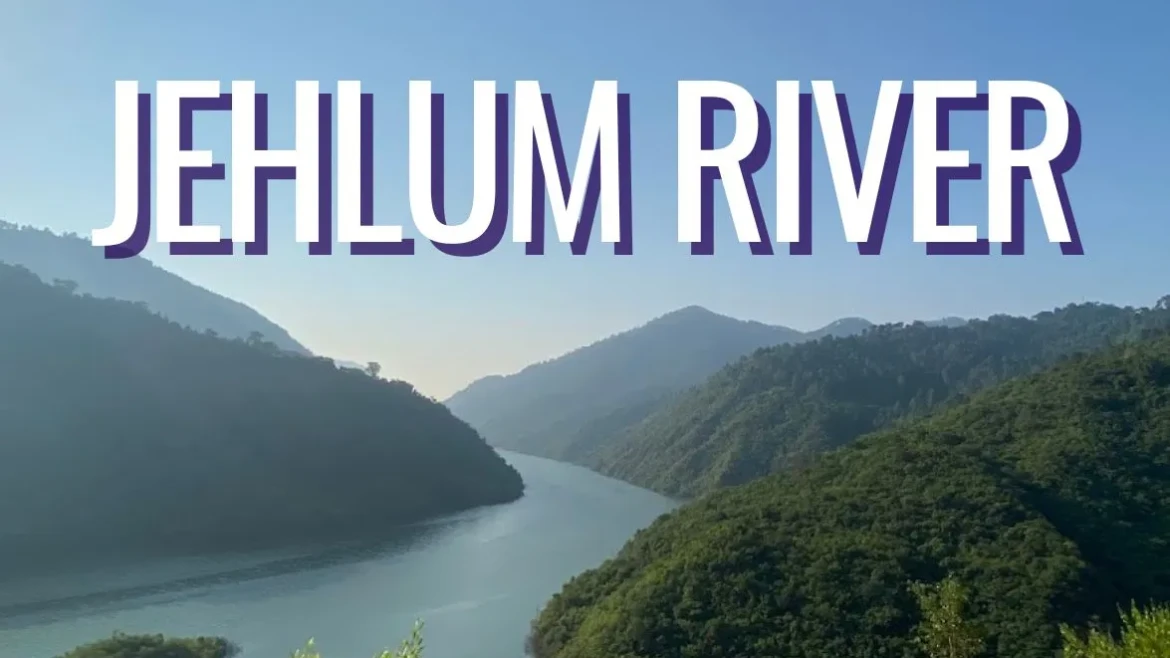
The Jhelum River is one of the major rivers of Pakistan and an important part of the Indus River system. It flows through the beautiful valleys of Kashmir and the fertile plains of Punjab, supporting millions of people along its journey.
Known for its natural beauty and historical significance, the river plays a vital role in agriculture, electricity production, tourism, and daily life. From mountain landscapes to green agricultural fields, the Jhelum River connects many regions of Pakistan.
Origin and Route of the Jhelum River
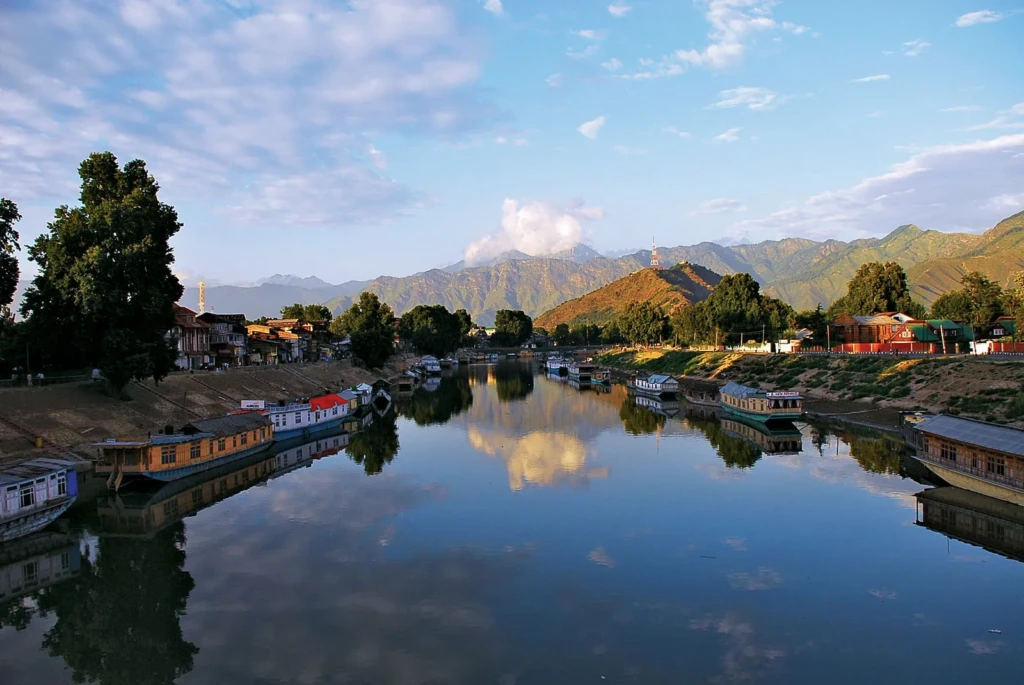
The Jhelum River begins at the famous Verinag Spring in Kashmir near the Pir Panjal mountain range. From there, it flows through the scenic city of Srinagar before entering Wular Lake, one of the largest freshwater lakes in Asia.
The river then continues toward Azad Kashmir, passing through areas such as Muzaffarabad and Mirpur. After entering Punjab, it finally joins the Chenab River near Trimmu. The total length of the river is approximately 725 kilometers.
Throughout its journey, the river supports farming communities, tourism destinations, and hydroelectric projects.
Importance of the Jhelum River in Pakistan
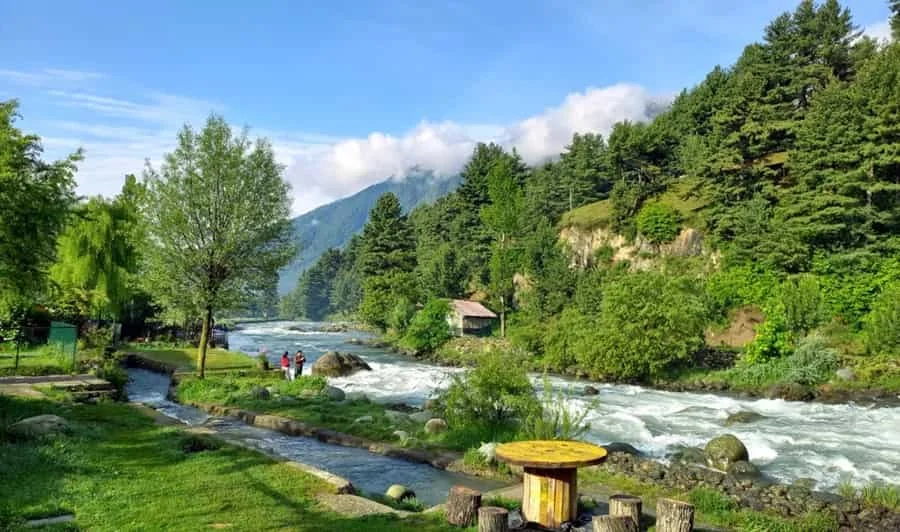
The Jhelum River is extremely important for Pakistan’s economy and environment. Large agricultural areas depend on its water for irrigation, especially in Punjab where farming plays a major role in local livelihoods.
The river also supports hydroelectric power generation. Several dams and water projects have been built along the river to produce electricity and manage water resources. Mangla Dam is one of the most important projects on the Jhelum River and is among the largest dams in Pakistan.
In addition, the river supplies water to homes, industries, and local communities living near its banks.
Historical Importance of the Jhelum River
The Jhelum River holds a special place in South Asian history. Historians believe it was once known as the Hydaspes River, where Alexander the Great fought King Porus in 326 BCE.
Over time, the river became an important part of trade routes, settlements, and regional culture. Many civilizations developed near the river because of its fertile land and water resources.
Cultural Importance of the River
The Jhelum River is deeply connected to the culture and traditions of Kashmir and Punjab. It appears in local poetry, Sufi literature, folk songs, and historical stories.
For many communities, the river symbolizes life, peace, and connection with nature. People living near the river have depended on it for generations for farming, fishing, and transportation.
Tourism Around the Jhelum River
The Jhelum River flows through several beautiful tourist destinations in Pakistan and Kashmir. Its scenic surroundings attract travelers throughout the year.
Popular places near the river include:
- Verinag Spring
- Wular Lake
- Muzaffarabad
- Mangla Lake
- Riverside valleys in Azad Kashmir
Visitors enjoy activities such as boating, sightseeing, photography, and nature exploration in these areas.
Continue exploring Northern Areas of Pakistan.
Environmental Challenges Facing the River
Like many major rivers, the Jhelum River also faces environmental problems. Pollution, climate change, and deforestation are affecting water quality and natural ecosystems around the river.
Protecting the river is important for future generations. Better water management, environmental awareness, and conservation efforts can help preserve this valuable natural resource.
Jhelum River and the Indus Waters Treaty
The Jhelum River is also important in regional water agreements between Pakistan and India.
Under the Indus Waters Treaty signed in 1960, Pakistan received rights to use the waters of the Jhelum River. The treaty continues to play an important role in water management and cooperation between the two countries.
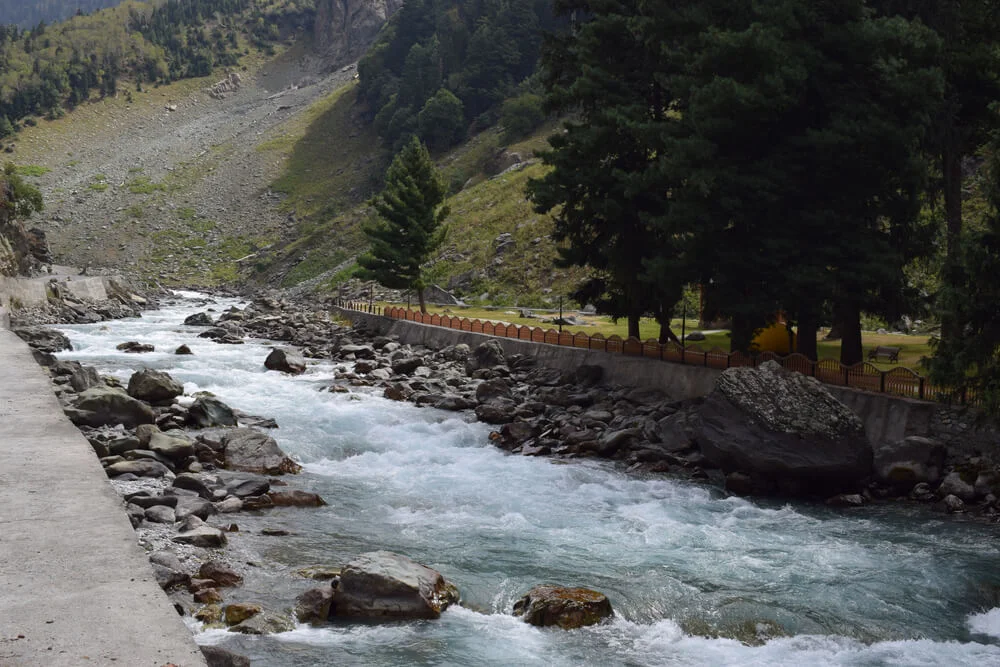
Why the Jhelum River Matters
The Jhelum River supports agriculture, electricity production, tourism, wildlife, and millions of people across Pakistan. It remains one of the country’s most valuable rivers and an important part of its geography, economy, and history.
Its flowing waters continue to connect mountains, valleys, cities, and cultures across the region.
FAQs
Where does the Jhelum River start?
The river starts from Verinag Spring in Kashmir.
Which major cities does the Jhelum River pass through?
The river passes through Srinagar, Muzaffarabad, Mirpur, and Jhelum District.
Why is the Jhelum River important?
The river supports agriculture, electricity generation, tourism, and water supply.
Which dam is built on the Jhelum River?
Mangla Dam is one of the largest and most important dams built on the river.
Which river does the Jhelum River join?
The Jhelum River joins the Chenab River in Punjab.
Explore More Destinations in Pakistan
You may also enjoy exploring:
- Banjosa Lake Travel Guide
- Balakot Travel Guide
- Noori Waterfall Guide
- Upper Kachura Lake Guide
- Nathia Gali Travel Guide
- Kaghan Valley Travel Guide

0 Comments