
Introduction
Lahore Museum is one of the most important cultural and historical institutions in Pakistan. Located on the famous Mall Road, Lahore Museum preserves centuries of history, art, culture, and heritage under one roof. It attracts tourists, researchers, students, historians, and art lovers from across the country and around the world.
A visit to Lahore Museum is more than a sightseeing experience. It is a journey through the civilizations that shaped the region. From the Indus Valley Civilization to the Mughal Empire, from Gandhara art to Sikh heritage, Lahore Museum tells the story of South Asia through thousands of carefully preserved artifacts.
If you are planning to explore the city, check out our complete Lahore Travel Guide for information on top attractions, food spots, historical landmarks, and travel tips..
What Is Lahore Museum?
Lahore Museum is the largest and one of the oldest museums in Pakistan. The museum houses a vast collection of historical objects, manuscripts, paintings, sculptures, coins, textiles, weapons, and archaeological discoveries.
The institution serves as an important center for education, research, and heritage preservation. Every gallery inside Lahore Museum offers visitors an opportunity to learn about different periods of history and cultural development.
Today, Lahore Museum stands as one of Pakistan’s most respected museums and continues to play a major role in preserving the country’s historical identity.
Location
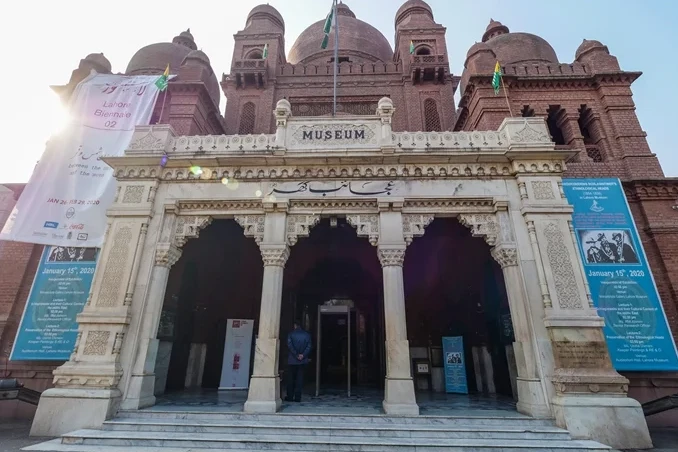
Lahore Museum is located on Mall Road in Lahore. The museum stands opposite Punjab University and close to several major landmarks of the city. Its central location makes Lahore Museum easily accessible from different parts of Lahore. Many visitors include Lahore Museum as part of a larger city tour because several famous attractions are located nearby.
History of Lahore Museum
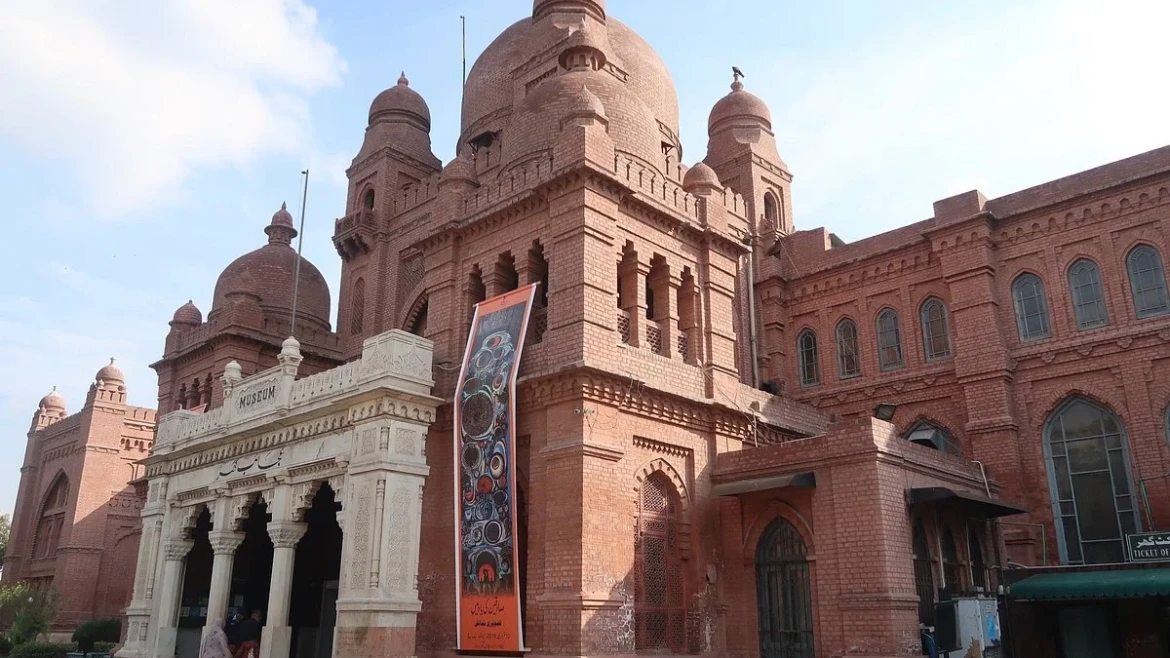
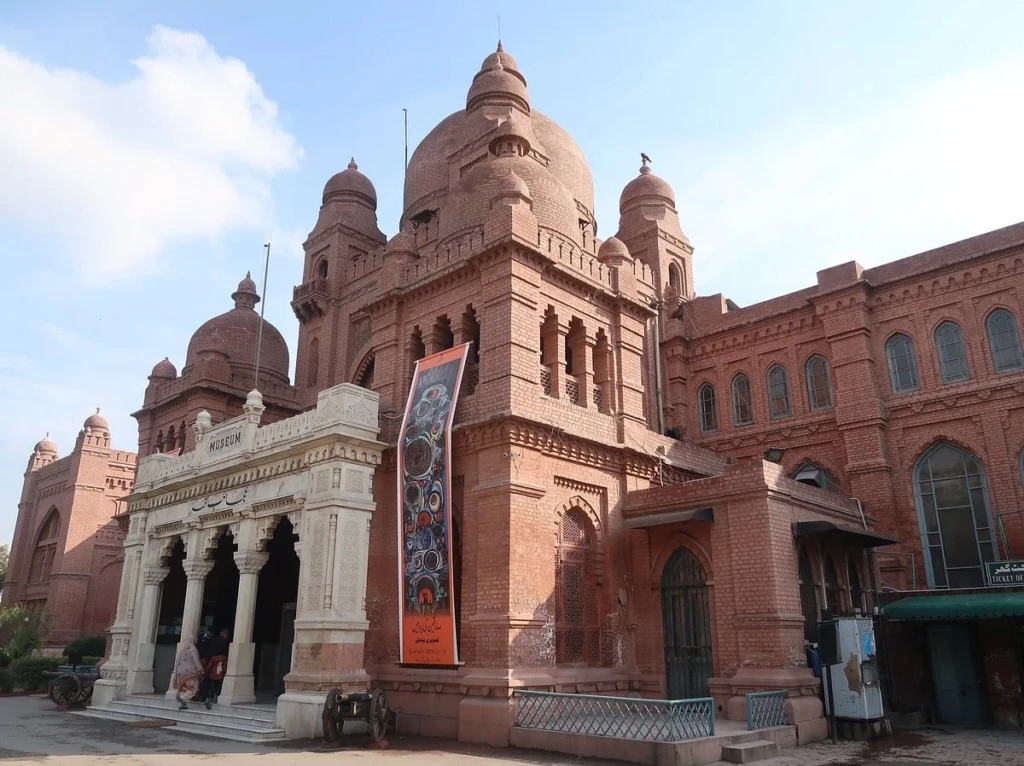
The history of Lahore Museum dates back to the nineteenth century. The museum was established in 1865 during British rule. Initially, the collection was displayed in a smaller building before moving to its present location. The current museum building was completed in 1894. The structure reflects Indo-Saracenic architecture, a style that combines Mughal, Islamic, and Victorian influences.
Over the decades, Lahore Museum expanded its collections and became one of South Asia’s most significant museums. Today, Lahore Museum preserves thousands of artifacts representing different civilizations, religions, dynasties, and historical periods.
Visitors interested in learning more about exhibitions, collections, and museum services can explore the official Lahore Museum website.
Architecture of Lahore Museum
One of the first things visitors notice about it is its remarkable architecture.
The red-brick building features domes, arches, decorative details, and traditional design elements. The structure reflects the architectural trends of the late nineteenth century.
The building itself is considered a historical attraction. Many tourists visit this museum not only for its collections but also for its architectural beauty.
The museum remains one of the finest examples of Indo-Saracenic architecture in Lahore.
Why Is Lahore Museum Famous?
it is famous for its extraordinary collections and historical importance.
Several factors contribute to its popularity:
- Extensive archaeological collections
- Gandhara art galleries
- Buddhist sculptures
- Mughal artifacts
- Sikh heritage collections
- Islamic manuscripts
- Ancient coins
- Historical weapons
- Traditional textiles
These collections make it one of the most comprehensive museums in Pakistan.
The Gandhara Gallery
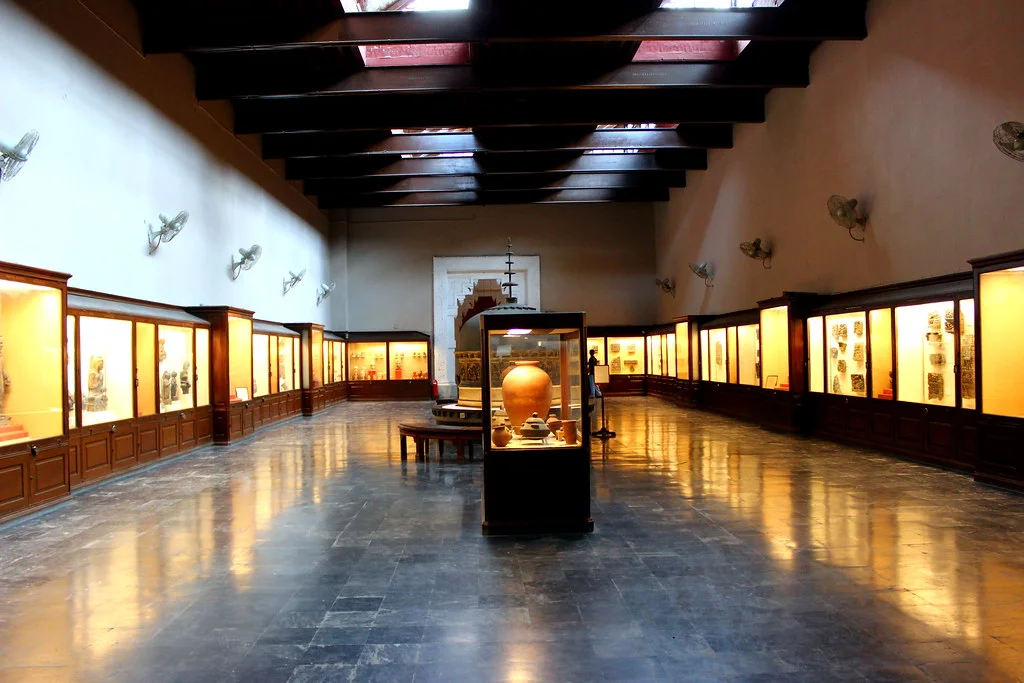
The Gandhara Gallery is among the most famous sections of this museum.
The gallery contains sculptures, carvings, and artifacts from the ancient Gandhara civilization. Many historians consider this collection one of the finest in South Asia.
The exhibits showcase the artistic traditions that flourished in the region centuries ago.
Visitors often spend significant time exploring this part of it because of its historical and artistic value.
The Fasting Buddha
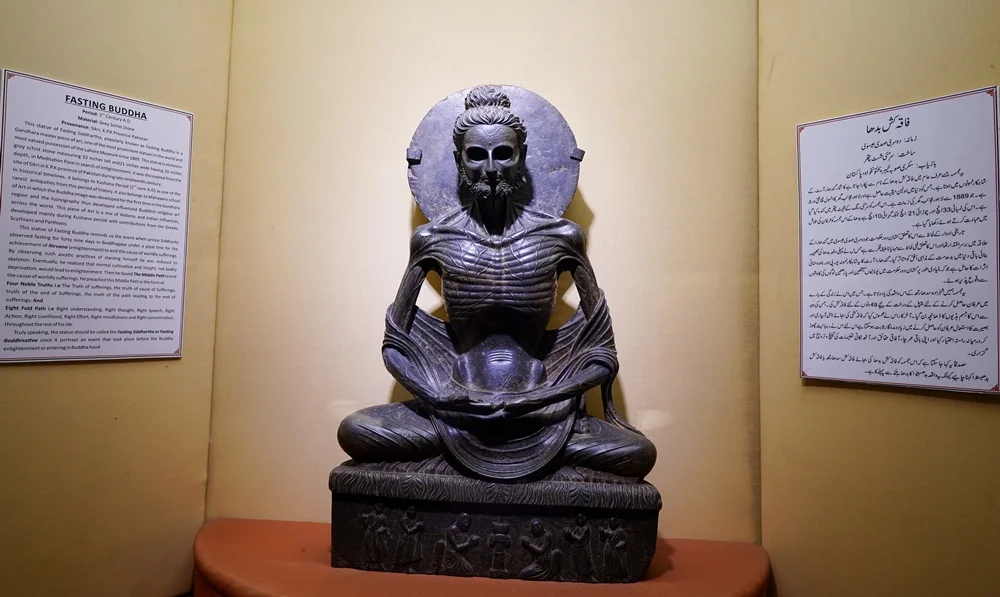
One of the most celebrated exhibits inside it is the Fasting Buddha.
This sculpture represents Buddha during a period of intense meditation and fasting.
The artwork is admired for its extraordinary detail and craftsmanship. Scholars and tourists from around the world visit it specifically to see this masterpiece.
The Fasting Buddha remains one of the museum’s most iconic attractions.
Islamic Art Gallery
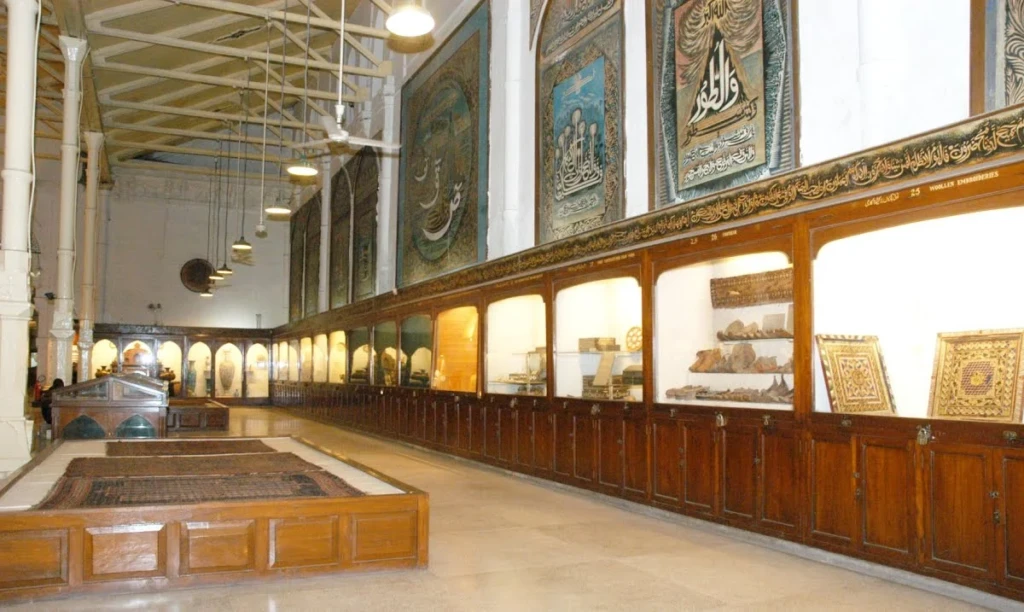
The Islamic Art Gallery highlights centuries of Islamic culture and artistic achievement.
Visitors can explore:
- Quranic manuscripts
- Calligraphy
- Decorative artwork
- Ceramics
- Historical documents
The collection demonstrates the rich artistic traditions that developed throughout the Islamic world. This section remains one of the most visited galleries in this museum.
Mughal Collection
The Mughal collection provides insight into one of South Asia’s most influential empires.
Artifacts include:
- Paintings
- Weapons
- Ceremonial objects
- Decorative items
- Historical records
These exhibits help visitors understand the political, cultural, and artistic achievements of the Mughal era. The collection adds tremendous historical depth to this museum.
Sikh Heritage Gallery
Lahore Museum also preserves important artifacts from the Sikh period.
The gallery includes:
- Historical weapons
- Paintings
- Documents
- Personal items
These exhibits help explain the role of the Sikh Empire in the history of Punjab. The gallery attracts visitors interested in regional history and heritage.
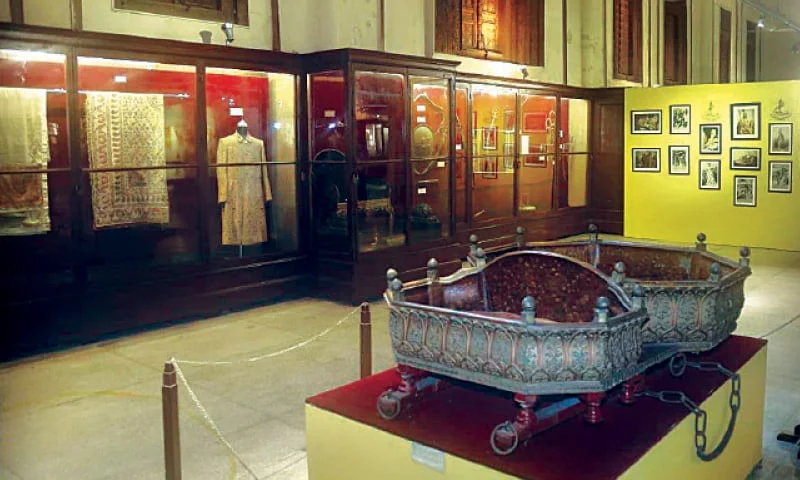
Coin Collection
The numismatic collection at Lahore Museum is one of the largest in Pakistan.
The collection contains coins from:
- Ancient kingdoms
- Indo-Greek rulers
- Kushan Empire
- Delhi Sultanate
- Mughal Empire
- British India
The coins help historians study trade, politics, and economic development across centuries.
Textile and Decorative Arts Collection
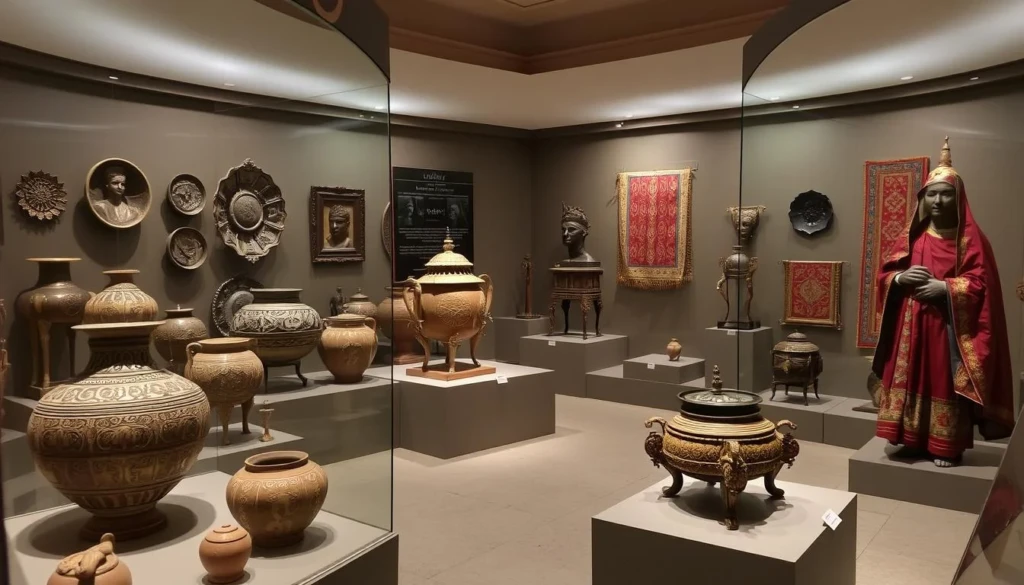
Lahore Museum contains a remarkable collection of textiles and decorative arts.
Visitors can see:
- Traditional clothing
- Embroidered fabrics
- Carpets
- Jewelry
- Handcrafted items
These exhibits highlight the craftsmanship and artistic traditions of different regions.
Manuscripts and Rare Books
The museum also preserves valuable manuscripts and rare books. Many documents provide insights into literature, religion, politics, and education from different historical periods. Researchers frequently visit this museum to study these important resources.
Educational Importance of Lahore Museum
It serves as an educational institution as well as a tourist attraction. Schools, colleges, and universities regularly organize visits to the museum.
Students gain practical knowledge of:
- History
- Archaeology
- Art
- Culture
- Heritage studies
The educational role of this Museum continues to benefit thousands of learners every year.
Research and Preservation
Preserving historical artifacts requires continuous effort. Experts at Lahore Museum work to protect valuable collections from damage and deterioration. Conservation projects help ensure that future generations can continue to learn from these artifacts. This commitment to preservation strengthens the reputation of it.
Visitor Experience at Lahore Museum
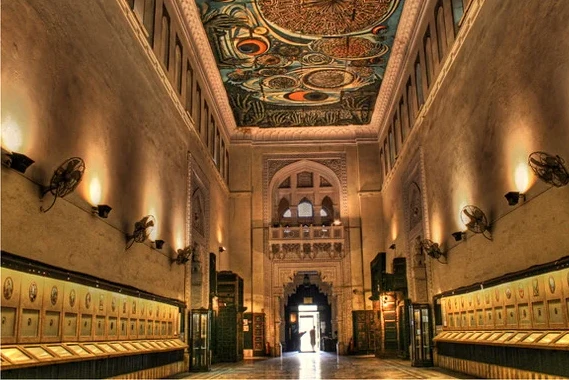
Visitors often describe it as one of the most informative attractions in Lahore. The galleries are organized in a way that allows guests to explore different historical periods step by step. The museum provides opportunities for learning, photography, and cultural exploration. A single visit can take several hours because of the large number of exhibits.
Nearby Attractions
Visitors can easily combine Lahore Museum with other famous attractions.
- Badshahi Mosque
- Minar-e-Pakistan
- Data Darbar
- Delhi Gate
- Wagah Border
- Bagh-e-Jinnah
- Lahore Safari Zoo
- Food Street Lahore
History enthusiasts can also explore our guide on Top 9 Historical Places in Lahore for additional heritage sites.
Interesting Facts About Lahore Museum
- It is the largest museum in Pakistan.
- The museum was established in 1865.
- The current building opened in 1894.
- The museum contains thousands of historical artifacts.
- The Fasting Buddha is one of its most famous exhibits.
- It attracts researchers from around the world.
- The museum preserves collections from multiple civilizations.
Frequently Asked Questions
Why is Lahore Museum famous?
It is famous for its historical collections, Gandhara art, Islamic manuscripts, and rare artifacts.
What is the most famous exhibit in Lahore Museum?
The Fasting Buddha is widely regarded as one of the most famous exhibits.
Is Lahore Museum suitable for students?
Yes. it provides excellent educational opportunities for students and researchers.
How much time should visitors spend at Lahore Museum?
Most visitors spend two to four hours exploring the galleries and exhibits.
Conclusion
Lahore Museum is one of Pakistan’s greatest cultural treasures. Its galleries preserve thousands of years of history and provide valuable insights into the civilizations that shaped the region. From Gandhara sculptures and Mughal artifacts to Islamic manuscripts and rare coins, it offers an unmatched educational and cultural experience.
Whether you are a tourist, student, historian, or art enthusiast, Lahore Museum deserves a place on your travel itinerary. A visit to it is not just a tour of a building. It is an exploration of the rich heritage, artistic achievements, and historical legacy of South Asia.
