
Lahore Fort, locally known as Shahi Qila, is one of the most famous historical landmarks in Pakistan. Located in the heart of Lahore’s Walled City, the fort reflects centuries of Mughal, Sikh, and British history. Its grand palaces, royal halls, beautiful gardens, and intricate artwork attract thousands of visitors every year.
Recognized as a UNESCO World Heritage Site, Lahore Fort showcases some of the finest examples of Mughal architecture. From the magnificent Sheesh Mahal to the iconic Alamgiri Gate, every section of the fort tells a story of power, culture, and artistic excellence. It remains one of the top attractions featured in any Lahore Travel Guide and is among the most important historical sites in Lahore.
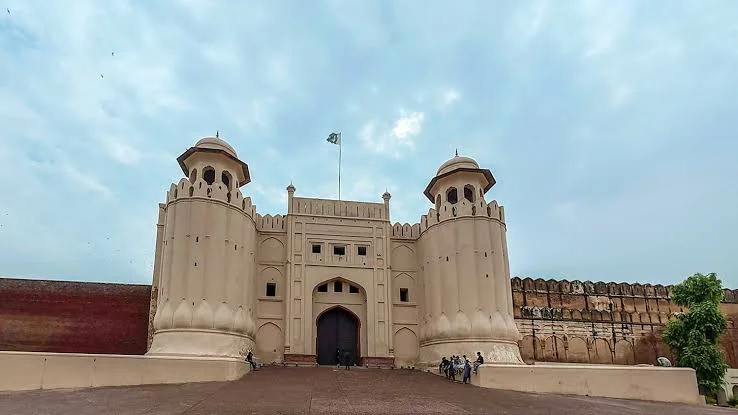
History of Lahore Fort
The origins of Lahore Fort date back many centuries, although the present structure was largely rebuilt by Mughal Emperor Akbar in 1566. Later Mughal rulers including Jahangir, Shah Jahan, and Aurangzeb expanded the complex and added several magnificent buildings.
The fort served as the royal residence of the Mughal emperors for generations. After the Mughal era, it came under Sikh rule and later British administration. Today, it stands as one of Pakistan’s most valuable cultural treasures.
Location of Lahore Fort
Lahore Fort is located at the northern end of the historic Walled City of Lahore. It stands directly beside the famous Badshahi Mosque and is only a short distance from Minar-e-Pakistan.
Its central location makes it one of the easiest historical attractions to visit while exploring Lahore.
Architecture of Lahore Fort
Lahore Fort covers more than 20 hectares and displays a blend of Persian, Islamic, Central Asian, and Indian architectural styles.
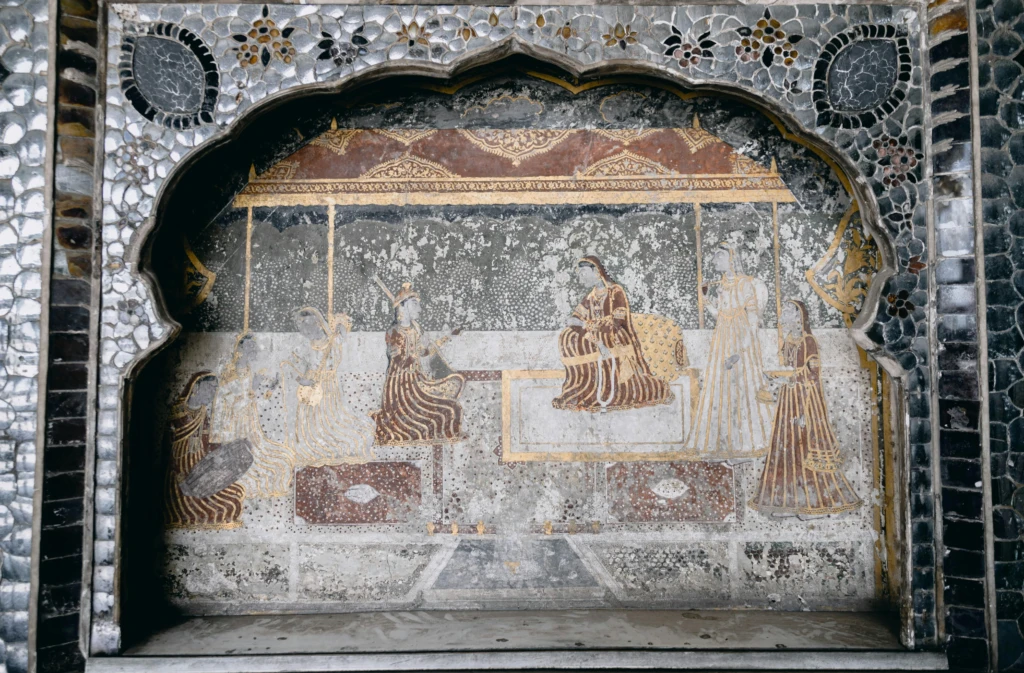
The fort contains royal palaces, audience halls, gardens, mosques, gateways, and defensive walls. Intricate marble work, frescoes, mirror decorations, and tile mosaics highlight the artistic achievements of the Mughal era.
Top Attractions Inside Lahore Fort
Sheesh Mahal
Sheesh Mahal, or the Palace of Mirrors, is one of the most beautiful structures inside Lahore Fort. Built by Shah Jahan, it features thousands of small mirrors embedded in walls and ceilings that reflect light in stunning patterns.
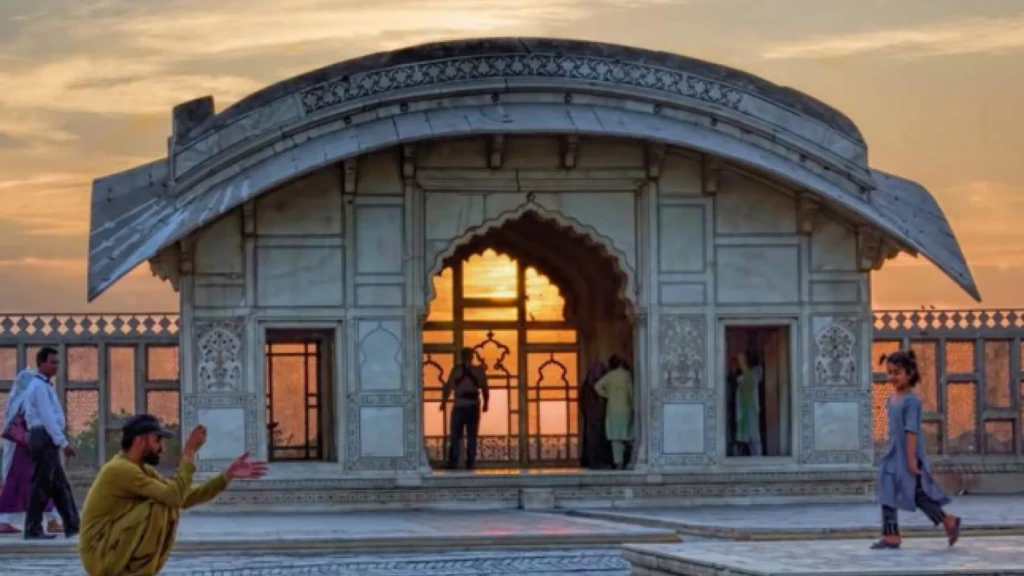
Naulakha Pavilion
The Naulakha Pavilion is a white marble structure famous for its elegant design. It received its name because its construction reportedly cost nine lakh rupees, a significant amount at the time.
The pavilion offers excellent views of the surrounding fort complex.
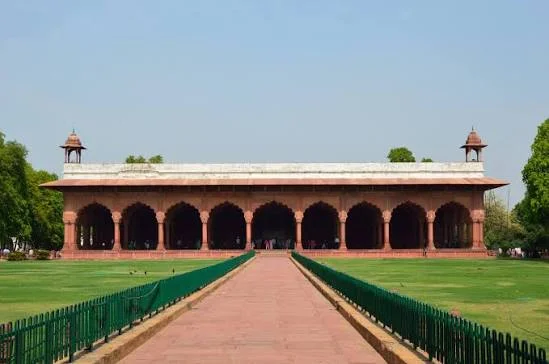
Diwan-e-Aam
Diwan-e-Aam served as the public audience hall where Mughal emperors met citizens, officials, and foreign visitors.
Its large open space reflects the administrative importance of the fort.
Diwan-e-Khas
Diwan-e-Khas functioned as the private audience hall reserved for important state meetings and royal discussions.
Alamgiri Gate
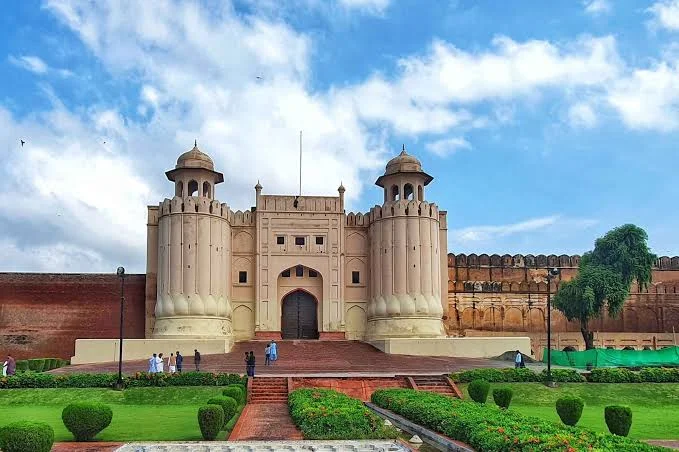
Built by Emperor Aurangzeb, the Alamgiri Gate is the main entrance of Lahore Fort today. It faces the Badshahi Mosque and remains one of the most photographed landmarks in Lahore.
Picture Wall
The Picture Wall is among the largest mural walls in the world. It stretches along the outer fort wall and features colorful tile work, frescoes, floral designs, and historical scenes.
Moti Masjid
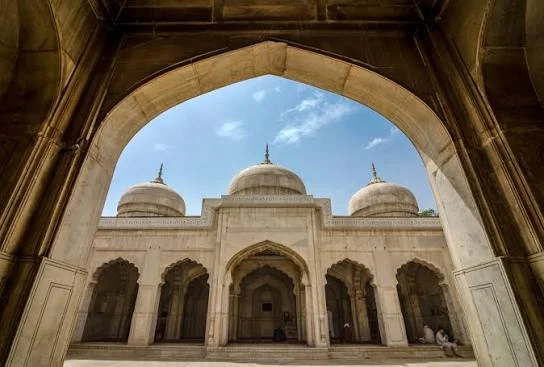
The Moti Masjid, also known as the Pearl Mosque, is a small yet elegant white marble mosque located within the fort complex.
UNESCO World Heritage Status
In 1981, UNESCO included Lahore Fort and Shalimar Gardens on the World Heritage List due to their outstanding cultural and historical value.
The designation highlights the importance of preserving these monuments for future generations.
Visitor Information
Best Time to Visit
The best time to visit Lahore Fort is between October and March when temperatures remain pleasant.
Entry Timing
Visitors can explore the fort during regular daytime hours. Guided tours are also available and provide detailed insights into its history and architecture.
Nearby Attractions
After visiting Lahore Fort, tourists can easily explore:
- Badshahi Mosque
- Minar-e-Pakistan
- Data Darbar
- Delhi Gate
- Wagah Border
- Bagh-e-Jinnah
- Lahore Museum
- Lahore Safari Zoo
- Food Street Lahore
These landmarks are located within a short distance of the fort.
Why Visit Lahore Fort?
Lahore Fort offers a unique opportunity to experience the grandeur of Mughal civilization. Visitors can admire royal palaces, intricate artwork, historical architecture, and centuries of South Asian history in a single location.
Whether you are a history enthusiast, architecture lover, photographer, or traveler, Lahore Fort provides one of the most memorable cultural experiences in Pakistan.
Conclusion
Lahore Fort stands as a symbol of Pakistan’s rich historical and cultural heritage. Its magnificent architecture, royal halls, artistic masterpieces, and UNESCO World Heritage status make it one of the most important landmarks in the country. A visit to Lahore Fort not only reveals the glory of the Mughal Empire but also helps travelers understand the historical evolution of Lahore itself.
For a complete exploration of the city, be sure to read our Lahore Travel Guide and discover other remarkable Historical Sites in Lahore that continue to preserve the city’s timeless legacy.

0 Comments