
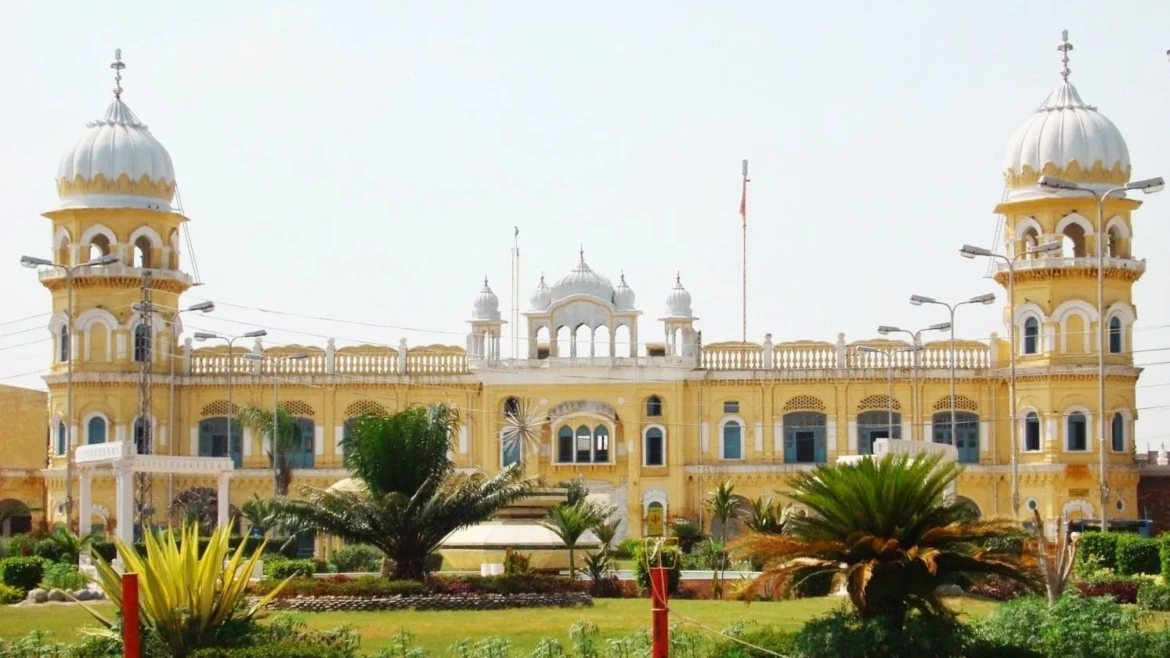
Nankana Sahib is one of the most sacred and historically significant cities for Sikhs around the world. Located in the Punjab province of Pakistan, this holy city is revered as the birthplace of Guru Nanak Dev Ji, the founder of Sikhism. Every year, thousands of pilgrims and tourists visit Nankana Sahib to experience its spiritual atmosphere, historical landmarks, and religious importance.
Nankana Sahib serves as both a religious hub and a growing center of religious tourism in Pakistan. Whether you are a pilgrim seeking spiritual fulfillment or a traveler exploring cultural heritage, this complete guide will help you understand everything about Nankana Sahib.
Location of Nankana Sahib
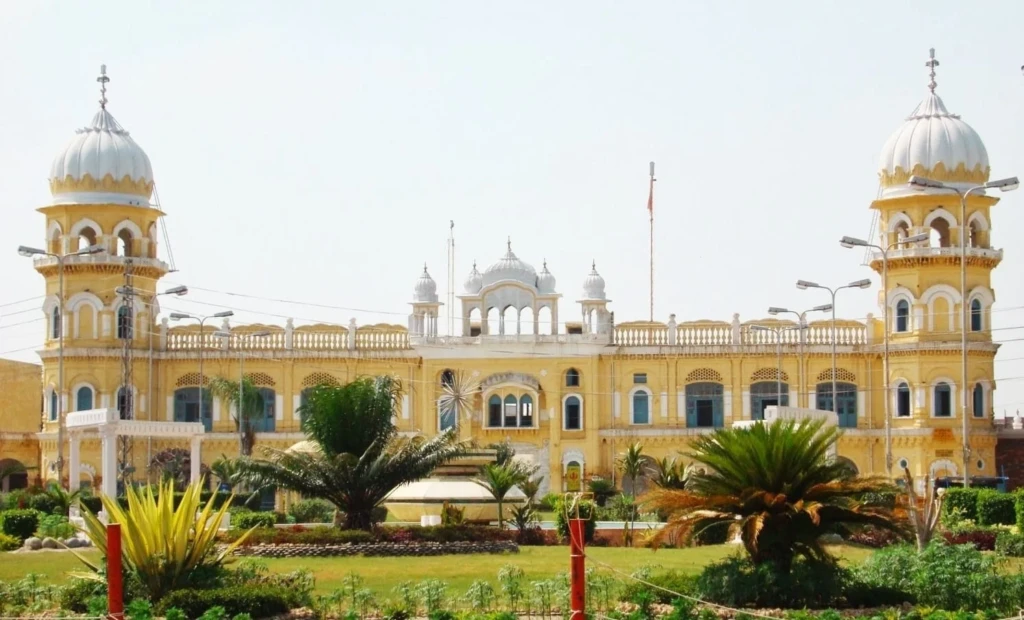
Nankana Sahib is the district capital of Punjab, Pakistan, and falls under the Lahore Division. It is located in the fertile region of Rechna Doab, between the Ravi and Chenab rivers, which adds to its agricultural and geographical importance. The city is situated approximately 91 km west of Lahore and around 75 km east of Faisalabad, making it easily accessible from major urban centers. It is surrounded by key districts, including Sheikhupura to the east and Faisalabad to the west, while the Ravi River flows to its south. Due to this central and well-connected location, Nankana Sahib has become a convenient destination for both local and international pilgrims and tourists visiting this sacred site.
Historical Background of Nankana Sahib
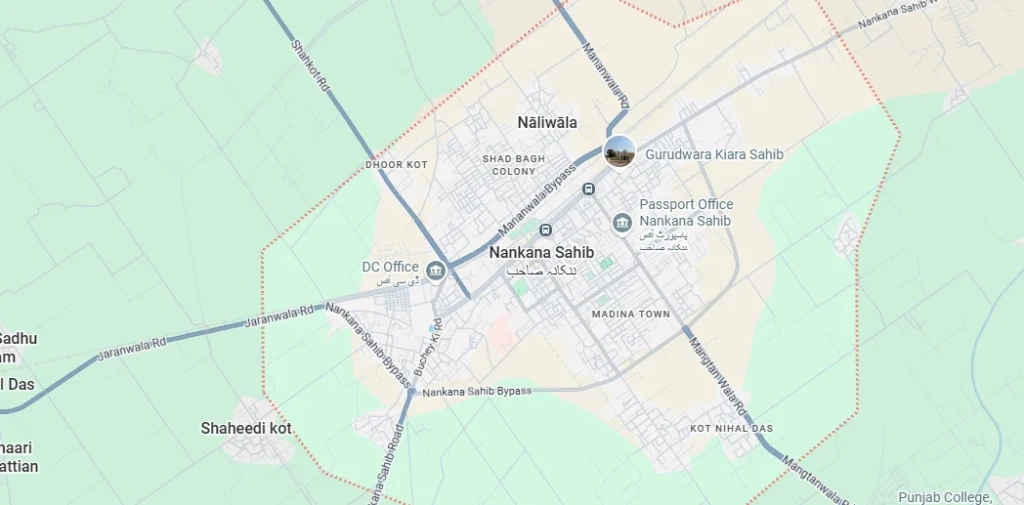
The history of Nankana Sahib dates back centuries and reflects a blend of cultural and religious transformations. Originally, the area was known as Raipur and was founded by a Hindu ruler named Raja Vairat. Over time, the settlement was destroyed during early invasions and later re-established during the Delhi Sultanate period. It then became known as Rai Bhoi Di Talwandi, named after Rai Bhoi, a Rajput who had embraced Islam under the influence of Sufism. His descendant, Rai Bular Bhatti, is remembered for recognizing the spiritual greatness of Guru Nanak Dev Ji.
After the birth of Guru Nanak in 1469, the town gained immense religious importance and was eventually renamed Nankana Sahib. In the 18th century, Diwan Kaura Mal supported the development of the area by constructing sacred tanks (sarovars) and gurdwaras. Later, during the reign of Maharaja Ranjit Singh, these religious structures were renovated and expanded, further enhancing the importance of Nankana Sahib history.
The Importance of Nankana Sahib in Sikhism
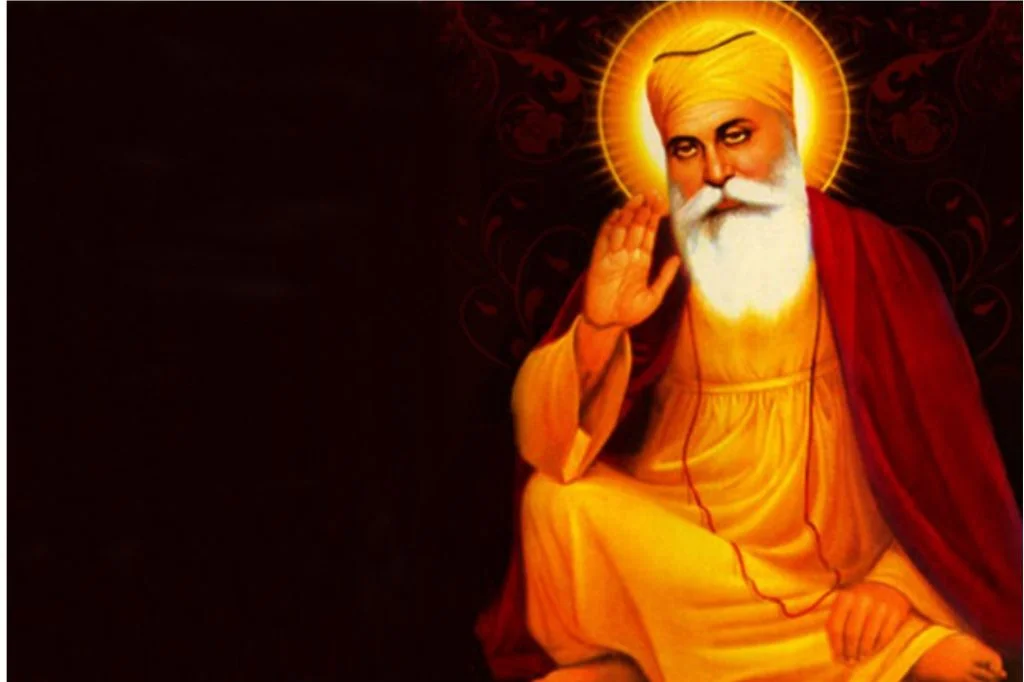
The importance of Nankana Sahib in Sikhism goes far beyond its identity as a historical location; it is deeply connected to the spiritual roots and foundation of the Sikh faith. This sacred city is known as the birthplace of Guru Nanak Dev Ji, who introduced the core teachings of equality, honesty, compassion, and devotion to one God. Because of this, Nankana Sahib is not just a place to visit but a powerful symbol of spiritual awakening for millions of Sikhs around the world. Pilgrims believe that visiting this holy land allows them to feel a closer connection to the teachings and life of Guru Nanak, making it one of the most respected Sikh religious sites in Pakistan.
Gurdwara Janam Asthan
At the heart of Nankana Sahib lies Gurdwara Janam Asthan, the exact location where Guru Nanak Dev Ji was born in 1469. This gurdwara is considered the spiritual center of the entire city and holds immense religious significance. It is here that visitors gather to offer prayers, listen to kirtan (devotional hymns), and reflect on the message of peace and unity taught by Guru Nanak. The atmosphere within the gurdwara is calm and deeply spiritual, allowing pilgrims to experience a sense of inner peace and connection.
In addition to Gurdwara Janam Asthan, several other important gurdwaras in Nankana Sahib highlight different moments from the early life of Guru Nanak. These include:
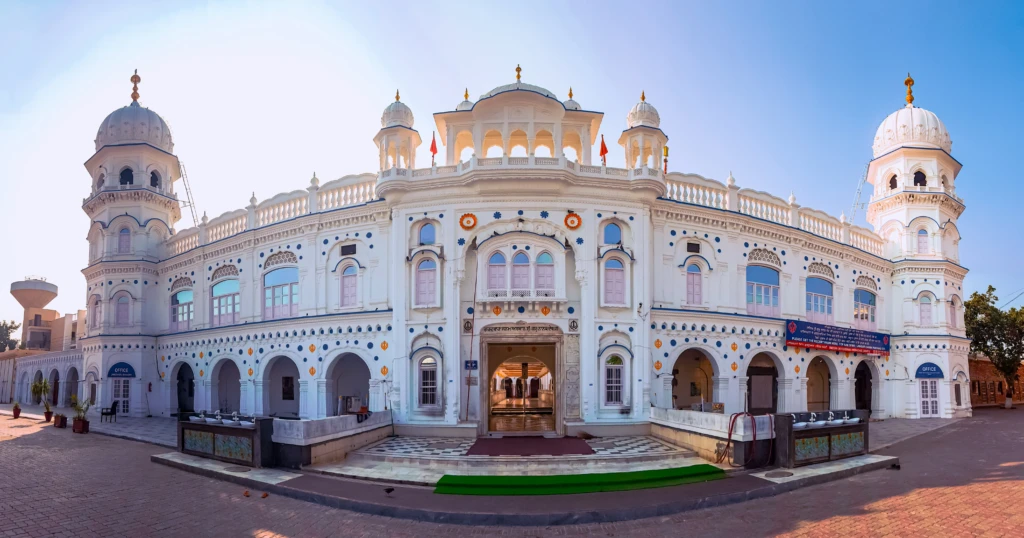
Gurdwara Bal Leela
Gurdwara Bal Leela is associated with the childhood of Guru Nanak Dev Ji and reflects his early innocence and kindness. It is believed that this is the place where young Guru Nanak used to play with other children. However, even at a young age, his behavior was different from others, as he showed signs of deep thinking, generosity, and compassion. This gurdwara reminds visitors that the qualities of kindness and spirituality were present in Guru Nanak from his early childhood.
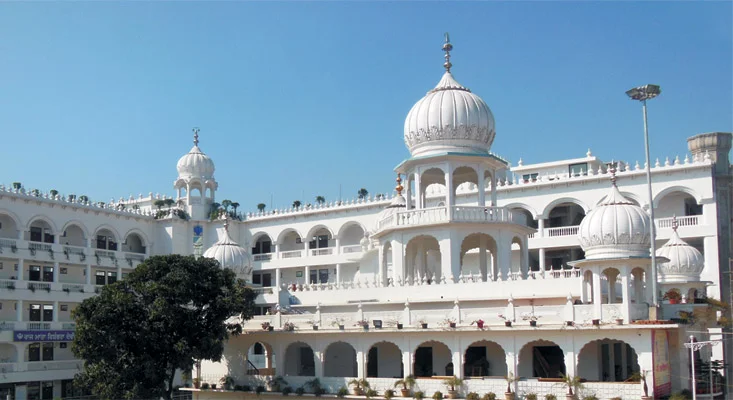
Gurdwara Patti Sahib
Gurdwara Patti Sahib represents an important moment from Guru Nanak’s early education. According to historical accounts, when he was sent to learn reading and writing, he surprised his teacher by interpreting letters in a deeply spiritual way rather than just as simple alphabets. His explanations reflected wisdom far beyond his age, showing that he had a unique understanding of life and spirituality. This place highlights his intelligence and the beginning of his role as a spiritual guide.
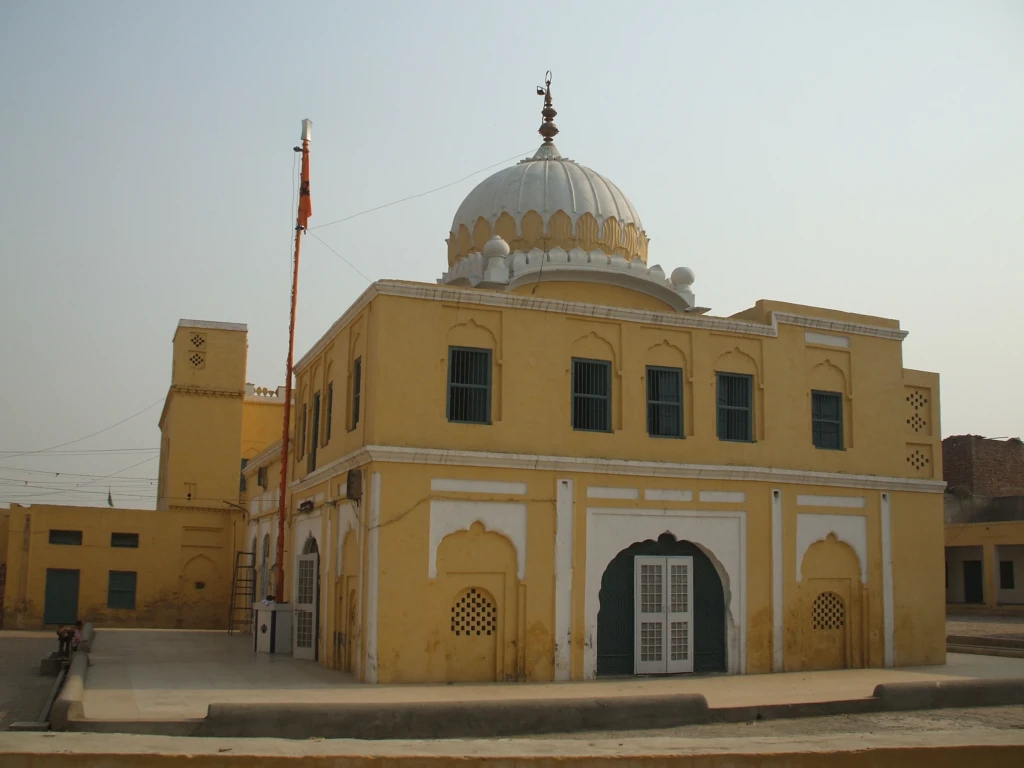
Gurdwara Kiara Sahib
Gurdwara Kiara Sahib is linked to a well-known miracle from Guru Nanak’s early life. It is believed that while working in the fields, cattle under his care wandered into a farmer’s crops and ate them. However, when the farmer complained and the crops were inspected, they were found to be untouched. This event is seen as a sign of divine blessing and protection. This gurdwara symbolizes faith, trust in God, and the idea that divine power is always present.
Together, these sites make Nankana Sahib a deeply meaningful destination where history, faith, and spirituality come together. For pilgrims, visiting this city is not simply a religious duty but a life-changing experience that strengthens their faith and connection to Sikh teachings.
Nankana Sahib and Religious Tourism
In recent years, religious tourism in Pakistan has grown significantly, and Nankana Sahib plays a major role in this development. The Pakistani government has taken important steps to improve infrastructure, facilities, and security for pilgrims visiting this sacred city. Pilgrims from India and other countries often include Nankana Sahib in their journey along with other important Sikh sites such as Kartarpur Sahib, Panja Sahib, and Dera Sahib Lahore. Together, these places form a spiritually significant route connected to the life and teachings of Guru Nanak Dev Ji.
How to Reach Nankana Sahib
Reaching Nankana Sahib is convenient due to its well-connected transport network. The most common way to travel is by road, as the city is easily accessible from major cities like Lahore and Faisalabad. From Lahore, it takes around one and a half to two hours via Sheikhupura Road, while from Faisalabad, the journey usually takes about one and a half hours. Public buses, private cars, and ride-hailing services are readily available, making road travel a practical and comfortable option for visitors. For those who prefer rail travel, Pakistan Railways operates trains connecting nearby cities such as Lahore and Faisalabad, from where visitors can take local transport to reach the main gurdwaras.
Within the city, visitors will find a variety of transport options that make moving around easy and affordable. Local rickshaws are widely available and economical, while private taxis offer a more comfortable travel experience. Ride-hailing services can also be used from nearby urban areas, and organized tour buses are often arranged for groups of pilgrims. During major religious events, special transport arrangements are sometimes made to facilitate international Sikh pilgrims, ensuring a smooth and organized visit.
Best Time to Visit Nankana Sahib
The best time to visit Nankana Sahib Pakistan is during major Sikh festivals such as Guru Nanak Gurpurab and Vaisakhi, when the city comes alive with religious celebrations, prayers, and community gatherings. These occasions provide a unique spiritual experience for visitors.
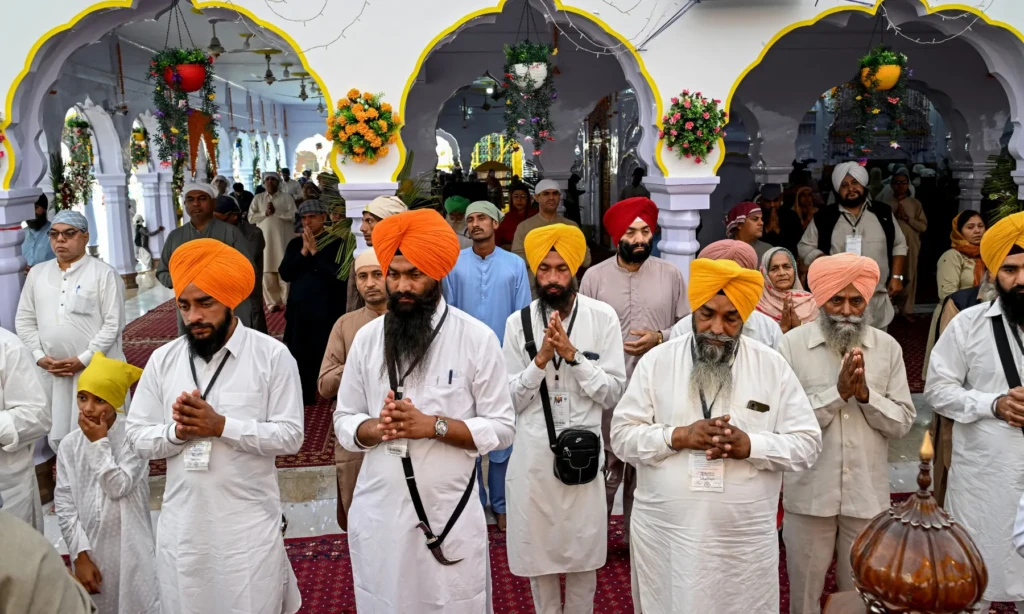
In terms of weather, the most pleasant time to visit is between October and March, when temperatures are moderate and suitable for travel.
Facilities for Pilgrims and Tourists
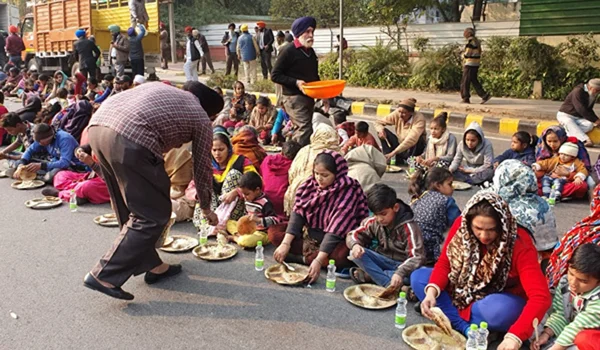
Over the years, Nankana Sahib has seen significant improvements in facilities for pilgrims and tourists. Accommodation is easily available, with gurdwara guest houses offering free or low-cost stays, along with hotels and lodges in the city for those seeking additional comfort. Food is not an issue, as free meals known as langar are served at gurdwaras, while local restaurants offer a variety of Pakistani dishes. Additional facilities such as clean drinking water, medical assistance, and tourist guidance centers further enhance the overall experience for visitors.
Places to Visit in Nankana Sahib
Apart from visiting the main gurdwaras, there are several other aspects of Nankana Sahib that visitors can explore. Sacred sarovars, local bazaars, and the surrounding rural landscapes add cultural depth to the journey. These experiences not only enrich the spiritual visit but also provide insight into the local lifestyle and traditions.
Cultural and Spiritual Experience
Visiting Nankana Sahib is not just a journey—it’s a deeply spiritual experience. The peaceful environment, devotional music (kirtan), and community service (langar) create a sense of unity and harmony.
For many visitors, especially Sikhs, this journey becomes a lifelong memory filled with faith and connection to their roots.
Conclusion
Nankana Sahib is not just a city—it is a symbol of spirituality, history, and cultural harmony. As the birthplace of Guru Nanak Dev Ji, it holds immense importance for Sikhs worldwide and continues to attract pilgrims and tourists alike.
With improved infrastructure, accessible routes, and welcoming facilities, visiting Nankana Sahib Pakistan has become easier than ever. Whether you are exploring Sikh religious sites in Pakistan or seeking a meaningful travel experience, Nankana Sahib offers a perfect blend of history, faith, and peace.
FAQs
Why is Nankana Sahib important?
Nankana Sahib is important because it is the birthplace of Guru Nanak Dev Ji, the founder of Sikhism.
Where is Nankana Sahib located?
It is located in Punjab, Pakistan, about 91 km from Lahore.
Can people of other religions visit Nankana Sahib?
Yes, Nankana Sahib is open to visitors of all religions. Although it is one of the most sacred Sikh pilgrimage site, tourists from different faiths are welcome to visit and explore its historical and cultural significance.
What is the best time to visit Nankana Sahib?
The best time is during Guru Nanak Gurpurab or between October and March.
