


Pakistan is home to some of the most fascinating monuments in South Asia. Among them, the historical forts in Pakistan hold a special place because they reflect centuries of power, architecture, and culture. These forts are not only symbols of defense but also treasures of heritage, showcasing the skill of the rulers who built them. From the grandeur of Lahore Fort to the mystical beauty of Ranikot. These sites attract history lovers, travelers, and researchers alike. Visiting these forts is like walking into the past and experiencing the chapters of history that shaped the subcontinent.
Lahore Fort – A Jewel of the Mughal Empire
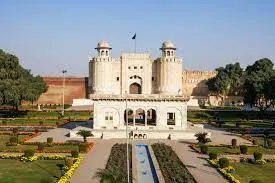
The Lahore Fort, also known as Shahi Qila, is one of the most famous forts in Pakistan. It was first built during the Mughal era in the 16th century, although some parts date back even earlier. Emperor Akbar reconstructed and expanded it, while later emperors such as Shah Jahan and Aurangzeb added their own touches. The fort’s architecture displays Mughal elegance, featuring marble palaces, mosques, and gardens that still leave visitors in awe.
The fort is located in the heart of Lahore, near the iconic Badshahi Mosque, making it one of the easiest heritage sites in Pakistan to visit. The best time to explore it is during the cooler months between October and March, when the weather is pleasant for walking around its large courtyards and palaces. Every year, thousands of visitors come to Lahore Fort, including both local and international tourists. Its inclusion in the UNESCO World Heritage Sites makes it one of the top Mughal forts in Pakistan worth seeing.
Rohtas Fort – A Legacy of Sher Shah Suri
Rohtas Fort is located near Jhelum in Punjab. It was built in the 16th century by Sher Shah Suri after he defeated the Mughal Emperor Humayun. Unlike the Mughal-style Lahore Fort, Rohtas has a more solid and militaristic design, reflecting its purpose as a defense stronghold. Its massive walls stretch over four kilometers and include dozens of gates, bastions, and watchtowers.

The fort’s historical importance lies in its role as a military base against the Mughals. Today, it remains one of the most historical forts in Pakistan and a favorite among photographers and history enthusiasts. The best time to visit Rohtas Fort is during the winter months, as summers in Punjab can be extremely hot. Tourists often describe the experience of walking along its ancient walls as stepping back into a time of kings and conquests.
Ranikot Fort – The Great Wall of Sindh
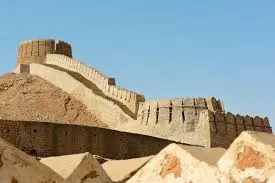
Often called the “Great Wall of Sindh,” Ranikot Fort is one of the largest forts in Pakistan and possibly in the world. Located in Jamshoro District, Sindh, it stretches almost 30 kilometers in circumference, making it a marvel of ancient architecture. Historians are still uncertain about its origins, but many believe it was constructed during the Talpur dynasty in the 19th century, with earlier foundations possibly dating back even further
The sheer scale of Ranikot makes it one of the most famous forts in Pakistan. Surrounded by rugged hills and desert landscapes, it provides breathtaking views and a sense of mystery. Travelers are often surprised by its size and compare it to the Great Wall of China. The best time to visit Ranikot Fort is between November and February, when the weather in Sindh is cool enough for exploration. Each year, thousands of adventure seekers travel here, making it one of the most extraordinary heritage sites in Pakistan.
Baltit Fort – A Glimpse into Hunza’s Past
Baltit Fort is located in the Hunza Valley of Gilgit-Baltistan. Unlike other historical forts in Pakistan, it has a unique Tibetan-style design influenced by the neighboring regions of Central Asia and China. The fort is believed to be around 700 years old, with renovations made over the centuries by local rulers known as the Mirs of Hunza.
Perched on a hilltop, Baltit Fort offers panoramic views of the Hunza Valley and its snow-covered peaks. It was once the political and administrative center of Hunza, playing a key role in the region’s governance.

Today, it is a restored museum that draws thousands of tourists every year. The fort’s wooden balconies, carved pillars, and sloping roofs reflect an architecture rarely found in other famous forts in Pakistan. The best time to visit is from April to October, when the valley blooms with colors and the weather is mild.
Derawar Fort – The Desert’s Crown
Derawar Fort rises majestically from the Cholistan Desert of Bahawalpur. Built in the 9th century by Hindu Rajputs and later taken over by the Abbasi rulers, it is one of the most unique historical forts in Pakistan. Its massive square structure, with 40 towering bastions, dominates the desert landscape, making it a stunning sight even from miles away.

This fort has witnessed centuries of history, from trade routes crossing the desert to battles for regional control. Today, Derawar remains a striking landmark, attracting both local tourists and international travelers. The best time to visit is during the famous Cholistan Desert Jeep Rally in February, when thousands gather near the fort for the event. For many, Derawar is one of the must-see heritage sites in Pakistan due to its unmatched desert backdrop and historic significance.
Altit Fort – The Oldest in Hunza

Near Baltit Fort lies Altit Fort, believed to be 900 years old. Built by the rulers of Hunza, it served as both residence and watchtower.
The Aga Khan Cultural Service restored Altit Fort, saving it from collapse. Today, it stands as a symbol of Hunza’s heritage. Inside, tourists can explore old rooms, wooden balconies, and defense towers.
Altit Fort is best visited in summer, when Hunza Valley enjoys pleasant weather. This fort, along with Baltit, makes Gilgit Baltistan a hub for heritage sites in Pakistan.
Why Visit the Historical Forts in Pakistan?
Exploring the historical forts in Pakistan is more than just sightseeing; it is about connecting with the nation’s past. Each fort tells a different story—of empires, wars, art, and resilience. They showcase a variety of styles, from Mughal grandeur to Rajput strength and Tibetan influences. These forts are also located in diverse landscapes, ranging from deserts and mountains to bustling cities, making each journey unique.
Tourists, photographers, historians, and adventure lovers find inspiration and learning in these magnificent sites. The forts also contribute to cultural tourism, attracting thousands of visitors every year. By visiting them, travelers not only enjoy history but also support the preservation of Pakistan’s heritage. For anyone interested in history, culture, or architecture, the famous forts in Pakistan are destinations worth adding to their travel list.
Conclusion
The historical forts in Pakistan are timeless symbols of the country’s heritage and strength. From the Mughal-era Lahore Fort to the massive Ranikot and the remote Baltit, these monuments reveal the artistry and power of past civilizations. They are more than ruins; they are living museums that keep history alive. Whether you are a traveler seeking adventure, a student of history, or someone who enjoys cultural exploration, visiting these heritage sites in Pakistan will be an unforgettable experience. By exploring them, you not only witness history but also contribute to preserving it for future generations.