
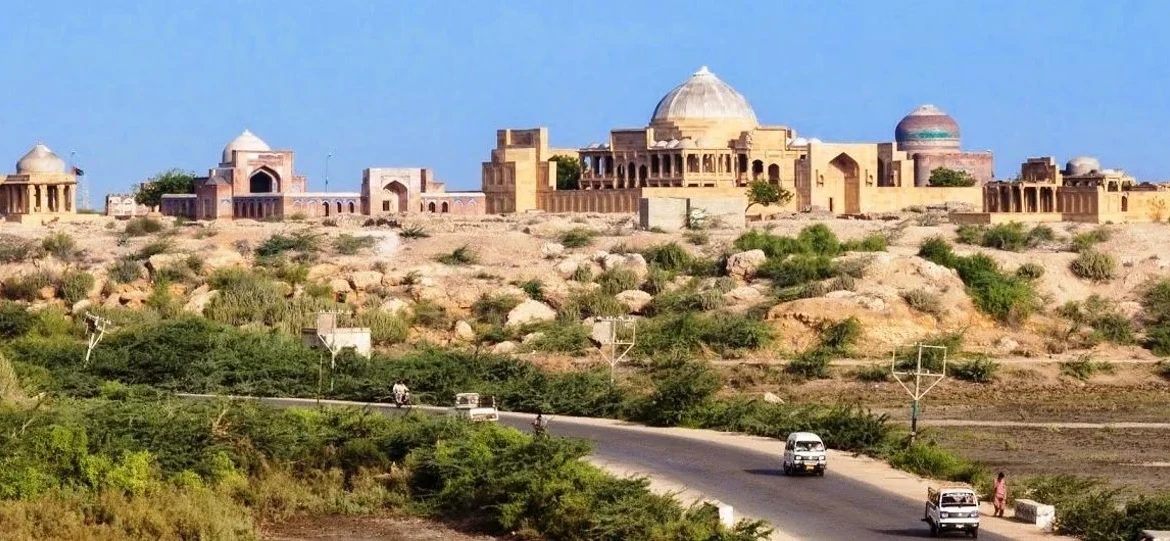
Thatta is one of the most historically significant cities in Sindh, Pakistan. Once an important centre of political power, trade and Islamic culture, the city is now known for its remarkable collection of historic mosques, tombs and archaeological monuments.
For travelers interested in history and architecture, Thatta offers much more than a single attraction. The nearby Makli Necropolis contains an extraordinary collection of historic tombs, while the Shah Jahan Mosque is known for its distinctive brickwork, domes and elaborate tile decoration. Together, these sites reflect the changing cultures and dynasties that shaped Lower Sindh over several centuries.
Where Is Thatta Located?
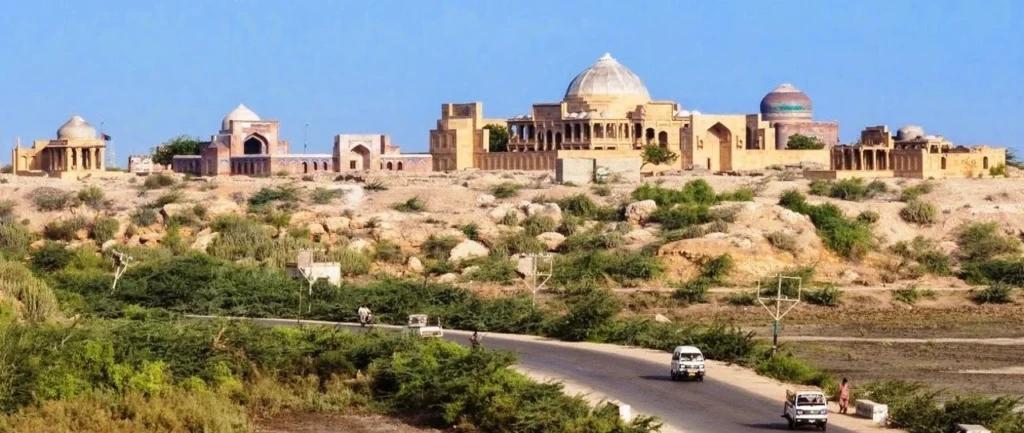
Thatta is a historic city in Sindh, Pakistan, located near the Indus River delta and approximately 100 kilometres from Karachi. Its location has played an important role in the city’s development as a centre of settlement, commerce and political activity.
Today, Thatta is part of Thatta District and can be visited as a day trip from Karachi or included in a wider Sindh heritage itinerary.
The city is particularly important for tourism because several major historical attractions are concentrated in and around the Thatta area. The Makli Necropolis, for example, is closely associated with the historic city.
A Brief History of Thatta
Thatta has a long and complex history connected with the rise and fall of different political powers in Sindh. Its importance grew particularly during the medieval period, when it became a centre of government and culture.
The city served as a capital under successive dynasties, including the Samma rulers. UNESCO notes that Thatta was later ruled by the Mughal emperors and was continuously developed between the 14th and 18th centuries. This long period of political and cultural activity left behind many of the monuments that attract visitors today.
During the Samma period, Thatta became an important centre of power, and the nearby Makli area developed into a major funerary landscape. Later, the city came under the Arghun and Tarkhan rulers before becoming part of the Mughal Empire.
Thatta’s history also reflects its changing importance as trade routes and political centres shifted across Sindh. Although the city eventually lost its position as the region’s principal political centre, its historic monuments preserved an important record of the area’s past.
Thatta represents a later chapter in Sindh’s long cultural history, while archaeological sites such as Mohenjo-Daro provide evidence of the region’s much earlier urban civilization.
Why Is Thatta Famous?
Thatta is best known for its historical architecture and its connection with some of Sindh’s most important heritage sites.
The city’s most notable attractions include:
- Makli Necropolis
- Shah Jahan Mosque
- Historic mosques and monuments around Makli
- Tombs and funerary architecture
- Traditional brick and tile work
- Historic remains associated with the former capital of Sindh
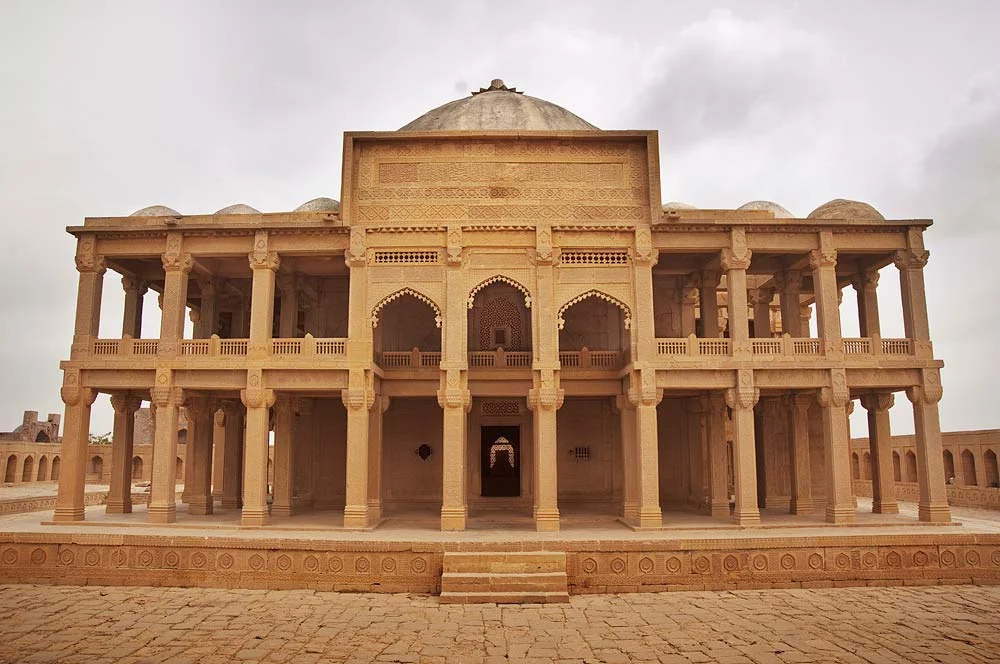
The combination of Islamic, local and Central Asian architectural influences makes the area particularly interesting for visitors who enjoy heritage tourism.
Best Places to Visit in Thatta
1. Makli Necropolis
Makli Necropolis is the most famous historical attraction associated with Thatta. It is one of the world’s largest funerary sites and contains hundreds of thousands of graves and tombs spread across the Makli plateau.
The monuments date from approximately the 14th to the 18th centuries and include the tombs of rulers, governors, religious figures, scholars and other important personalities. Their designs demonstrate a mixture of architectural influences, including local Sindhi traditions and styles associated with Islamic, Mughal and Persian-influenced architecture.
Among the notable monuments are the tombs associated with Jam Nizamuddin II and members of the Tarkhan dynasty.
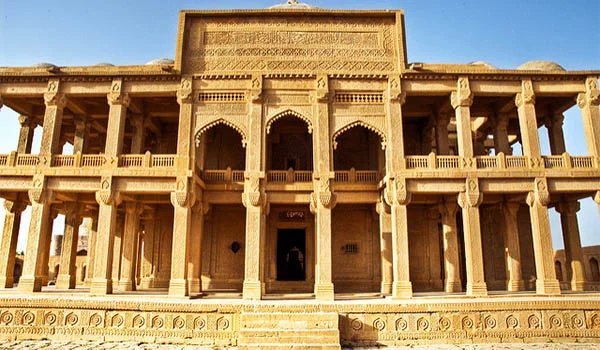
The scale of Makli makes it more than a single monument. It is an extensive historical landscape where visitors can observe different forms of stone carving, brick construction, decorative tile work and funerary architecture.
2. Shah Jahan Mosque
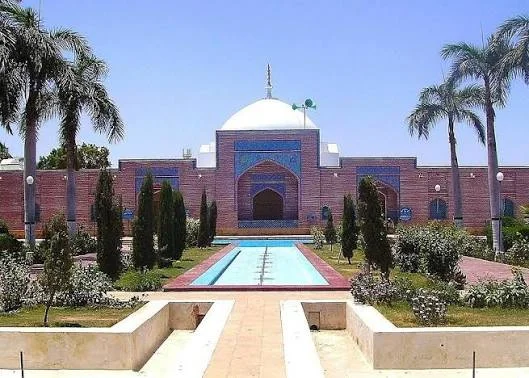
The Shah Jahan Mosque, also known as the Jamia Masjid of Thatta, is another major attraction.
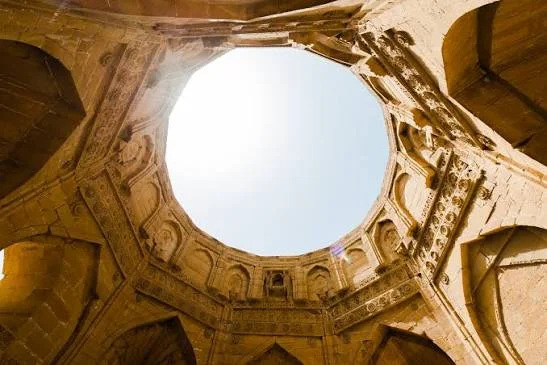
Built during the reign of Mughal Emperor Shah Jahan, the mosque dates to the 17th century. Unlike some Mughal monuments that rely heavily on monumental scale, the mosque is particularly notable for its intricate brickwork, geometric designs, blue-and-white tile decoration and extensive use of domes.
The mosque’s design also demonstrates architectural influences that reached Sindh from Central Asia and Persia. Its interior spaces are especially interesting for visitors because of the decorative patterns and the way the structure was designed to enhance sound.
The Government of Sindh’s Directorate General of Antiquities lists the monument as a major historical site in Thatta and provides seasonal visiting hours for the site.
3. Historic Monuments Around Makli
Beyond the best-known tombs, the Makli area contains numerous historic structures and remains that reflect the religious and political history of medieval Thatta.
Among them are old mosques, tombs, madrasah remains and other monuments associated with religious scholars and ruling families.
The Old Jamia Masjid at Makli is one example of the historic religious architecture found in the area. Although much of the original structure is now in ruins, its remains provide another perspective on the religious landscape that developed around Makli.
4. Historic Tombs and Islamic Architecture
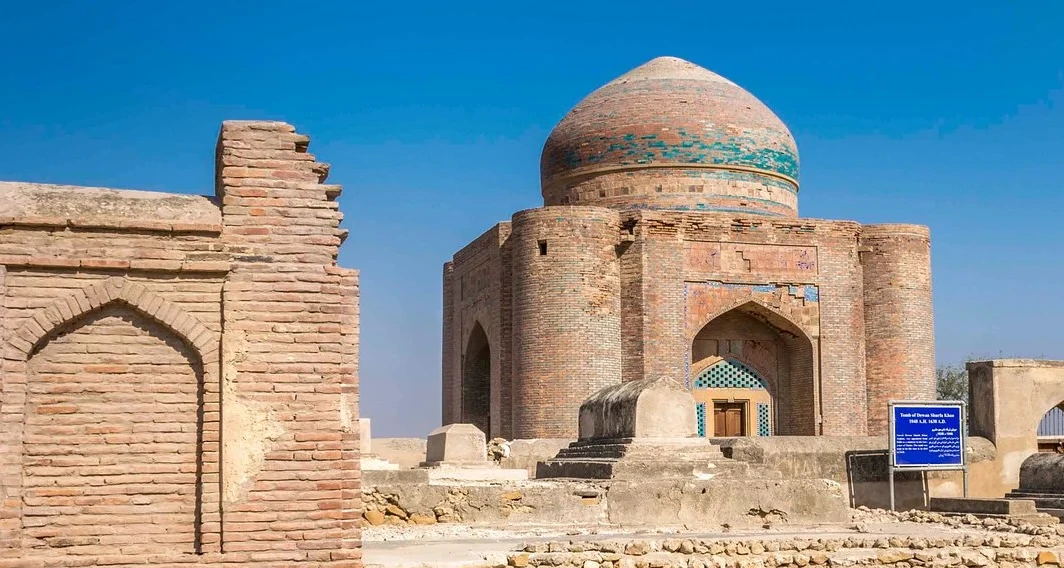
Visitors interested in architecture will find a wide variety of tomb designs around Thatta. Some are relatively simple, while others feature detailed stone carving, glazed tiles and geometric decoration.
These structures are valuable because they show how architectural traditions changed over several centuries. The monuments at Makli, in particular, demonstrate how different cultural influences were adapted into distinctive local forms. UNESCO identifies this architectural diversity as an important part of the site’s outstanding universal value.
Things to Do in Thatta
Thatta is primarily a destination for heritage and cultural tourism rather than a city focused on entertainment or modern attractions.
Some worthwhile things to do include:
Explore Makli’s Historic Landscape
Walking through the Makli Necropolis allows visitors to see monuments from different periods in one extensive heritage area. It is worth taking time to look at the stonework, inscriptions, tile decoration and architectural differences between the tombs.
Admire the Architecture of Shah Jahan Mosque
The mosque is particularly interesting for visitors who appreciate Islamic architecture. Its brick construction, geometric patterns and colorful tile work provide plenty of details to observe.
Learn About Sindh’s Medieval History
A visit to Thatta provides an opportunity to understand how Sindh’s political and cultural landscape changed between the medieval and Mughal periods.
Take a Heritage-Focused Day Trip
For travelers based in Karachi, Thatta can form part of a wider historical day trip. Combining the city’s major monuments with Makli provides a more complete experience than visiting only one attraction.
How to Reach Thatta
Thatta is accessible by road from Karachi and other cities in Sindh.
From Karachi
The road journey from Karachi to Thatta generally takes a few hours depending on traffic, road conditions and the exact starting point in Karachi. travelers can use private cars, hired vehicles or other road transport options.
The route makes Thatta a practical option for travelers looking for a historical excursion outside Karachi.
From Hyderabad
Thatta can also be reached by road from Hyderabad. The journey can be combined with other destinations in Sindh depending on the overall itinerary.
Getting Around Thatta
For a heritage-focused visit, private transport can be convenient because the main attractions are located in different areas around the city and Makli.
A local driver or knowledgeable guide can also make it easier to locate individual monuments, particularly within the extensive Makli area.
Best Time to Visit Thatta
The cooler months are generally more comfortable for exploring Thatta’s outdoor heritage sites.
October to March is a practical period for visitors who want to spend several hours exploring monuments and walking around Makli. The weather can be considerably more demanding during the hotter part of the year, particularly when visiting open archaeological and historical sites.
For a comfortable experience, an early start is also useful. It allows more time for sightseeing before the warmer part of the day.
Why Thatta Matters to Pakistan’s Heritage
Thatta provides a valuable link to several centuries of Sindh’s history.
Its monuments demonstrate how political power, religion, trade and architecture developed together over time. The city’s connection with successive dynasties and the Mughal period can still be seen through its surviving buildings and archaeological remains.
Makli is particularly significant because its monuments preserve evidence of the people and societies that shaped Sindh between the 14th and 18th centuries. UNESCO describes the site as an important testimony to the civilization of Sindh during this period.
Frequently Asked Questions About Thatta
What is Thatta famous for?
Thatta is famous for its historic monuments, particularly the Makli Necropolis and Shah Jahan Mosque. The city was also an important political and cultural centre of Sindh for several centuries.
Where is Thatta located?
Thatta is located in Sindh, Pakistan, near the Indus River delta and roughly 100 kilometres from Karachi.
Is Makli Necropolis in Thatta?
Yes. Makli Necropolis is closely associated with the historic city of Thatta and is located near the city. It is a UNESCO World Heritage Site.
Why is Shah Jahan Mosque famous?
The Shah Jahan Mosque is known for its elaborate tile decoration, geometric brickwork, domes and distinctive architectural design. It was built during the reign of Mughal Emperor Shah Jahan.
What is the best time to visit Thatta?
The cooler months, particularly from October to March, are generally more comfortable for exploring Thatta’s outdoor historical attractions.
Can Thatta be visited from Karachi?
Yes. Thatta is accessible by road from Karachi and can be planned as a historical day trip or as part of a larger Sindh itinerary.
Final Thoughts
Thatta is one of Pakistan’s most rewarding destinations for travelers interested in history and architecture. Its importance comes not from a single monument but from the collection of historic places that tell the story of Sindh across several centuries.
From the vast tombs of Makli to the detailed architecture of Shah Jahan Mosque, the area offers a close look at the artistic, religious and political heritage of Lower Sindh.
