
Introduction
Islamabad is the capital city of Pakistan and one of the country’s most modern and well-planned destinations. Surrounded by the beautiful Margalla Hills, the city combines natural beauty, modern architecture, and peaceful surroundings. Wide roads, green parks, clean streets, and famous landmarks make Islamabad a favorite destination for both local and international travelers.
Unlike many busy metropolitan cities, Islamabad offers a calm atmosphere. Visitors can enjoy mountain views, explore historical landmarks, relax in beautiful parks, and experience some of Pakistan’s best restaurants and shopping areas. Whether you are planning a family vacation, a weekend getaway, or a business trip, Islamabad has something for every traveler.
Where is Islamabad Located?
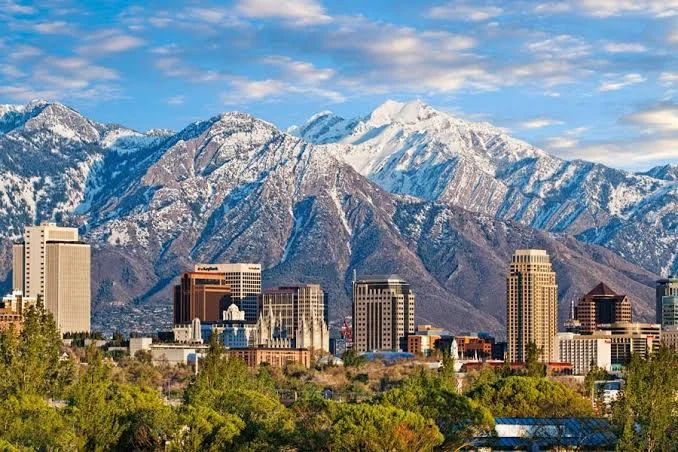
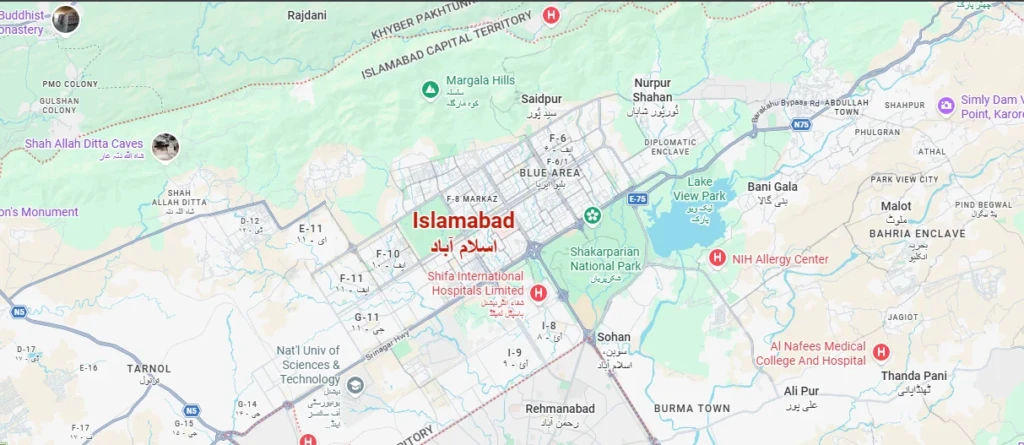
Islamabad is located in the northern part of Pakistan within the Islamabad Capital Territory (ICT). It lies on the Pothohar Plateau at the foothills of the Margalla Hills, while the city of Rawalpindi borders it to the south and southwest.
The capital enjoys a strategic location that connects Pakistan’s northern tourist destinations with the country’s major cities. Because of this, Islamabad often serves as the starting point for travelers heading towards Murree, Nathia Gali, Skardu, Hunza, Fairy Meadows, and other famous destinations in northern Pakistan.
Distance from Major Cities
| City | Distance |
|---|---|
| Rawalpindi | 15 km |
| Murree | 55 km |
| Nathia Gali | 90 km |
| Abbottabad | 110 km |
| Lahore | 380 km |
| Peshawar | 180 km |
Islamabad sits at an elevation of approximately 540 meters (1,770 feet) above sea level. The nearby Margalla Hills National Park gives the city its distinctive landscape and fresh environment.
History of Islamabad
Although Islamabad is Pakistan’s youngest major city, its surrounding region has a long history dating back thousands of years. Archaeological discoveries suggest that ancient civilizations once lived in the Pothohar Plateau because of its fertile land and strategic location.
After Pakistan gained independence in 1947, Karachi served as the country’s first capital. However, the government decided that a more centrally located city would better serve the nation’s administrative needs. In the late 1950s, Islamabad was selected as the new capital because of its favorable climate, peaceful surroundings, and central location.
The Greek architect and urban planner Constantinos Apostolou Doxiadis designed Islamabad’s master plan. He divided the city into organized sectors, each with residential areas, commercial centers, parks, schools, and public facilities. This careful planning helped Islamabad become one of South Asia’s best-organized capitals.
Over the years, Islamabad has grown into Pakistan’s political and administrative center. Today, it houses government offices, foreign embassies, universities, international organizations, and modern business districts. At the same time, the city has preserved its natural beauty through protected forests, hiking trails, and large public parks.
Geography of Islamabad
Islamabad covers an area of more than 900 square kilometers and features a unique landscape that combines plains, forests, hills, and lakes. The city is surrounded by the Margalla Hills National Park, one of Pakistan’s most important protected natural areas.
The Margalla Hills not only provide breathtaking scenery but also support a rich variety of wildlife, birds, and plant species. Popular hiking trails attract thousands of visitors every year, especially during spring and autumn.
Rawal Lake, one of Islamabad’s main water reservoirs, adds to the city’s beauty while supplying water to nearby areas. Several streams flowing from the Margalla Hills also contribute to Islamabad’s green environment.
Thanks to careful urban planning, residential sectors, commercial districts, parks, and green belts blend naturally with the surrounding landscape. This balance between development and nature has made Islamabad one of the cleanest and most attractive cities in Pakistan.
How to Reach Islamabad
Reaching Islamabad is convenient because the city has excellent road, rail, and air connections. Whether you are traveling from another city in Pakistan or arriving from abroad, you can easily reach the capital.
By Air
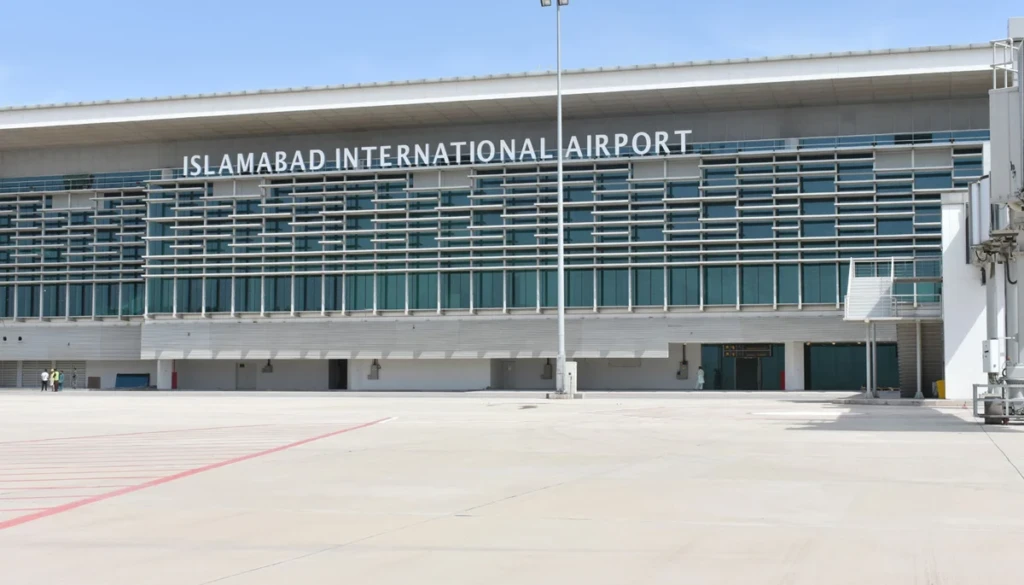
Islamabad International Airport is the main gateway to the city. It handles both domestic and international flights throughout the year. The airport is located about 30 to 35 kilometers from the city center.
After landing, visitors can travel to their hotel using:
- Airport taxis
- Ride-hailing services like InDrive and Careem
- Private rental cars
- Hotel shuttle services (available at some hotels)
Travel time from the airport to central Islamabad usually ranges from 30 to 45 minutes, depending on traffic.
Visitors arriving by air can check the latest flight schedules and airport services on the official Islamabad International Airport website before traveling.
By Road
Islamabad has one of Pakistan’s best road networks. Modern motorways connect the capital with major cities across the country.
Approximate travel times are:
| City | Travel Time |
|---|---|
| Rawalpindi | 20–30 minutes |
| Lahore | 4–5 hours |
| Peshawar | 2–3 hours |
| Murree | 1.5 hours |
| Abbottabad | 2 hours |
Several private bus companies also operate luxury coach services to Islamabad from different cities.
By Train
Pakistan Railways operates trains from Lahore, Karachi, Peshawar, Multan, and several other cities to Islamabad Railway Station. From there, visitors can easily reach different sectors of the city by taxi or ride-hailing services.
Public Transportation in Islamabad
Getting around Islamabad is simple because the roads are wide and well planned.
Visitors can use:
- Metro Bus Service
- Local taxis
- Careem
- InDrive
- Private car rentals
Most tourist attractions are well connected by the city’s road network. However, hiring a private car is often the most convenient option for travelers who want to visit several places in one day.
Best Places to Visit in Islamabad
Islamabad offers a perfect mix of natural beauty, modern landmarks, historical attractions, and family-friendly parks. Whether you enjoy sightseeing, hiking, photography, or relaxing in nature, you will find plenty of places worth exploring.
Many of these attractions have dedicated travel guides on our website. You can explore them for detailed information about ticket prices, timings, travel tips, and nearby attractions.
Faisal Mosque
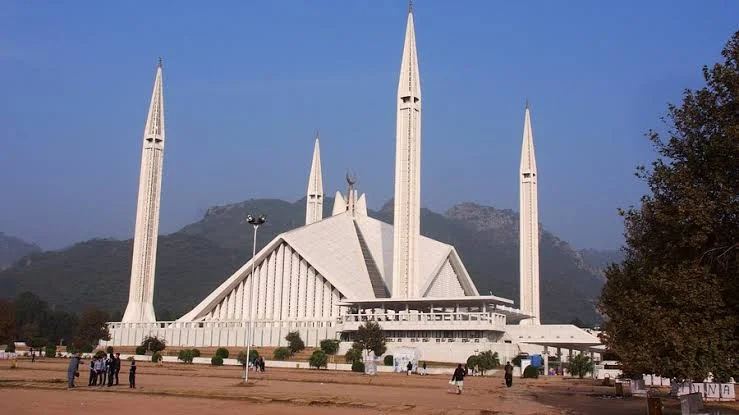
Faisal Mosque is the largest mosque in Pakistan and one of Islamabad’s most recognizable landmarks. Its unique tent-shaped design, peaceful surroundings, and location at the foot of the Margalla Hills attract millions of visitors every year.
Besides offering a beautiful place for worship, the mosque is also one of the city’s best photography locations.
Pakistan Monument
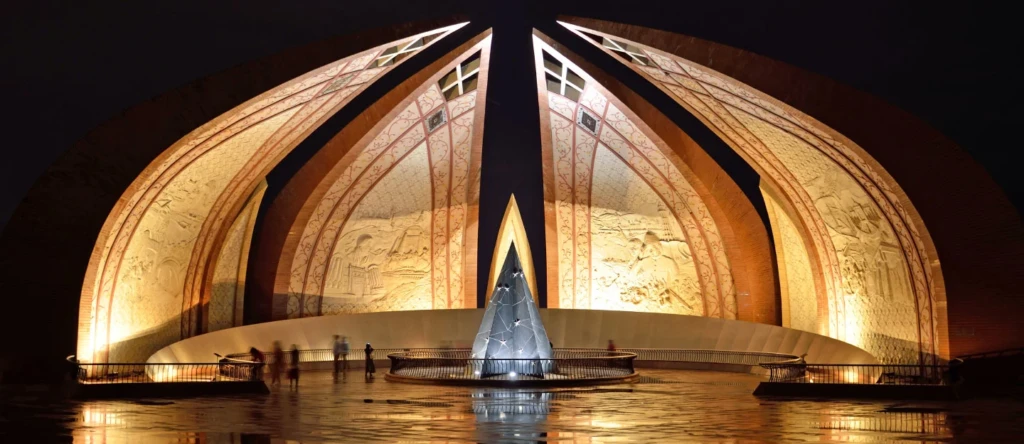
Pakistan Monument represents the unity of the country’s four provinces and three territories. The monument’s petal-shaped structure symbolizes national harmony, while the nearby museum presents Pakistan’s rich history.
The monument becomes especially beautiful after sunset when colorful lights illuminate the entire complex.
Lake View Park
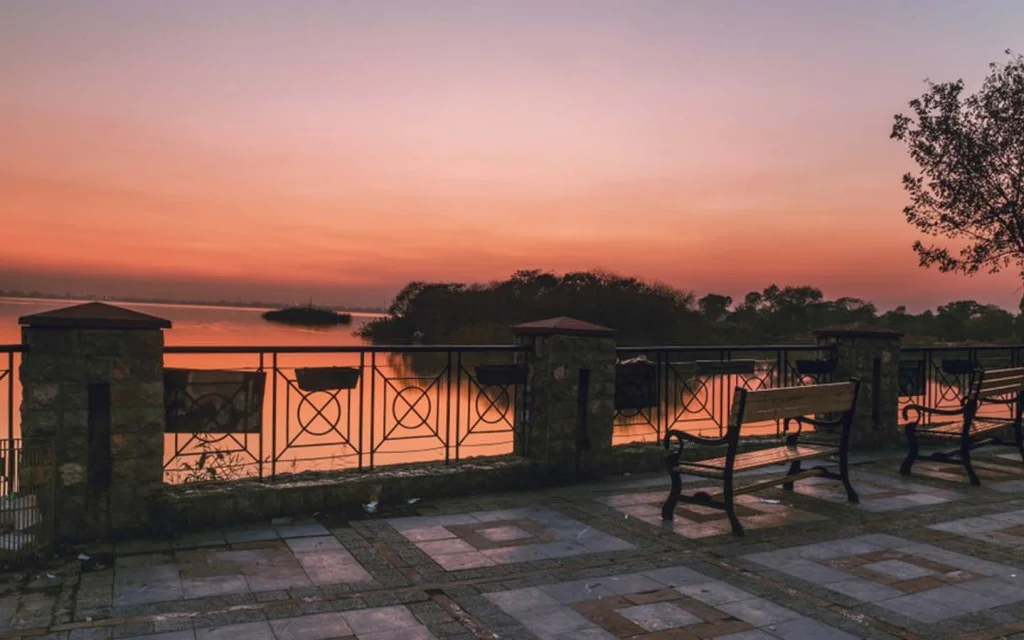
Lake View Park is one of Islamabad’s most popular family attractions. Located near Rawal Lake, the park offers boating, bird aviaries, food stalls, children’s play areas, adventure activities, and picnic spots.
Families often spend an entire day here enjoying outdoor activities.
Japanese Park
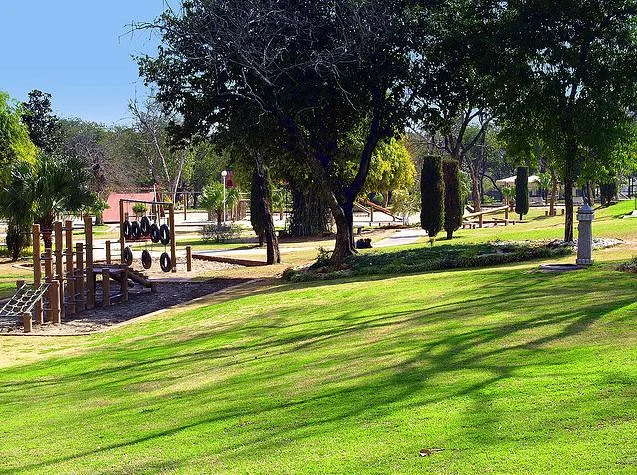
Japanese Park is a peaceful destination designed especially for families with young children. Beautiful gardens, playgrounds, walking tracks, and open green spaces make it one of the city’s most relaxing parks.
Shahdara Valley
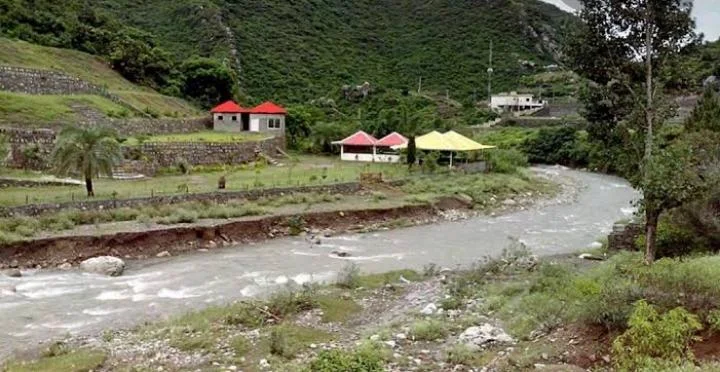
Located on the outskirts of Islamabad, Shahdara Valley is famous for its flowing streams, natural springs, and lush green surroundings. Visitors enjoy picnics, hiking, photography, and relaxing beside the crystal-clear water.
The peaceful environment makes Shahdara an excellent escape from city life.
Noori Waterfall
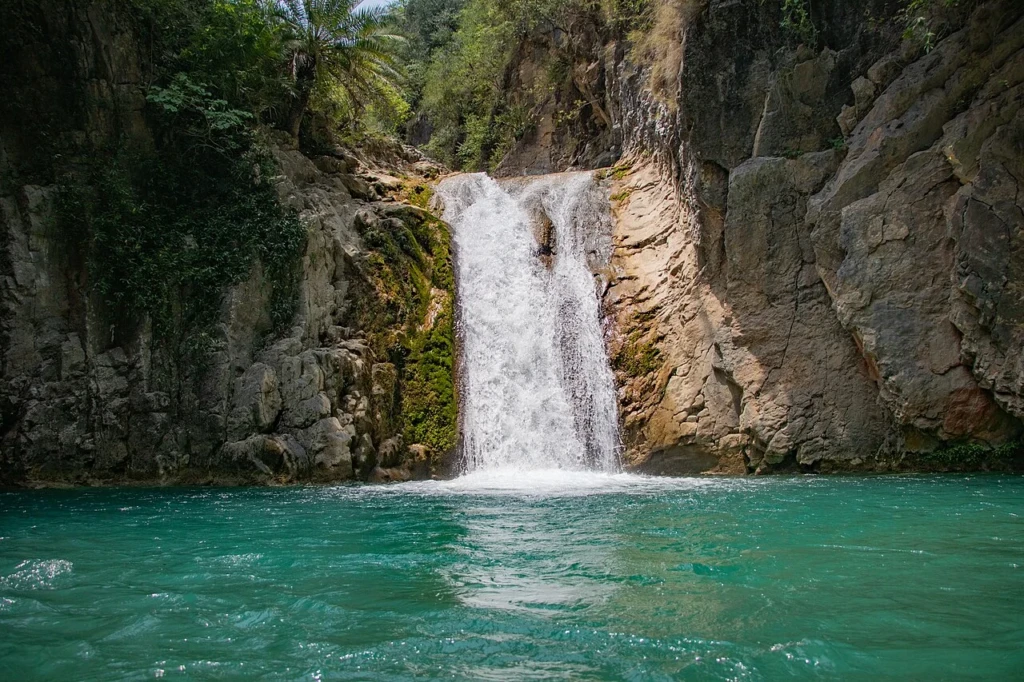
Noori Waterfall has become one of the most popular day-trip destinations near Islamabad. The waterfall is surrounded by hills and forests, creating a refreshing environment for nature lovers.
Visitors usually come here for hiking, photography, swimming, and weekend picnics.
Margalla Hills National Park
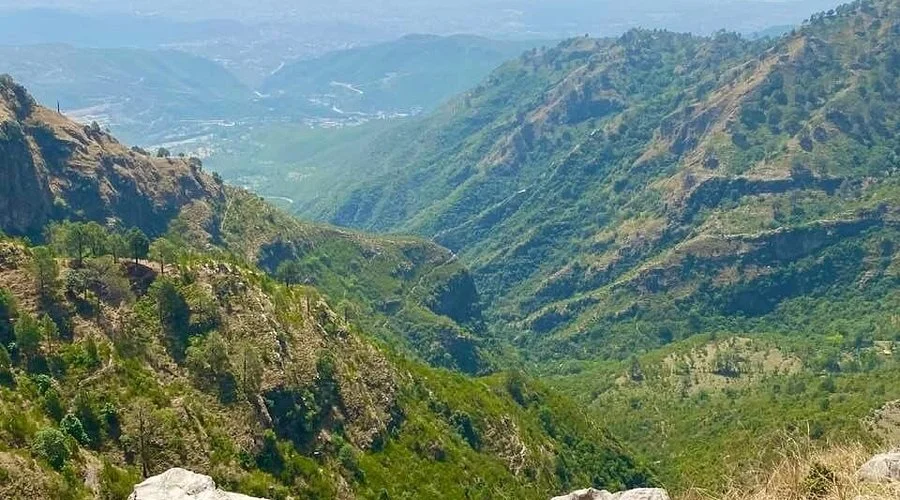
Margalla Hills National Park surrounds Islamabad with beautiful forests and hiking trails. It is home to diverse wildlife, birds, and scenic viewpoints.
Popular hiking trails include Trail 3, Trail 5, and Trail 6, which attract thousands of hikers throughout the year.
Nature lovers can also enjoy birdwatching, mountain biking, and photography while exploring the park.
Daman-e-Koh
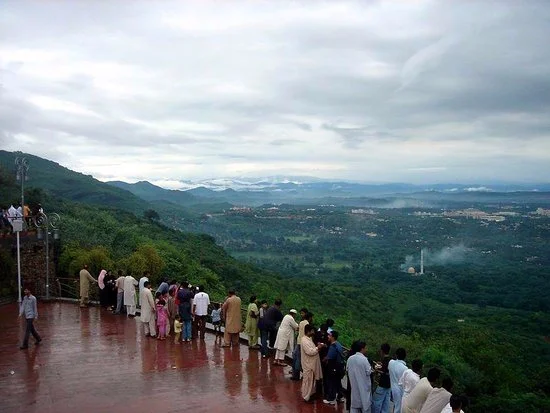
Daman-e-Koh is one of Islamabad’s most famous viewpoints. Located within the Margalla Hills, it offers spectacular panoramic views of the entire city.
Visitors often come during the evening to enjoy cooler temperatures and breathtaking sunset views.
Pir Sohawa
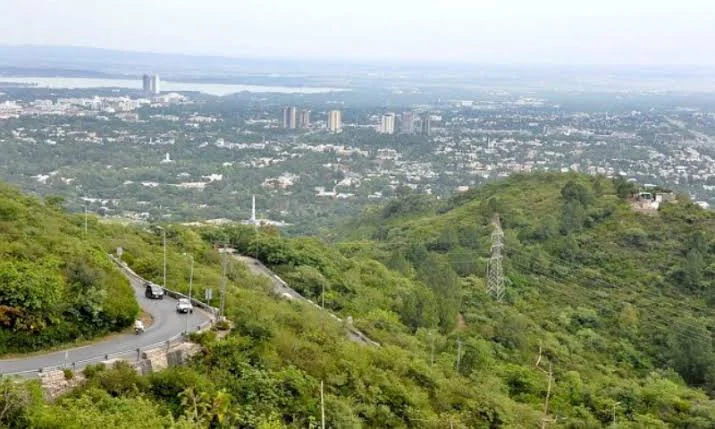
Pir Sohawa sits higher up in the Margalla Hills and is one of Islamabad’s top tourist destinations. Visitors can enjoy mountain scenery, restaurants, cafés, and beautiful viewpoints overlooking the capital.
The drive to Pir Sohawa is considered one of the most scenic routes in Islamabad.
Popular Food Areas
Islamabad has several famous food streets and commercial markets where visitors can enjoy a wide variety of cuisines.
F-6 Markaz
F-6 Markaz is known for its cafés, restaurants, and dessert shops. It is a popular dining destination where visitors can enjoy delicious meals throughout the day.

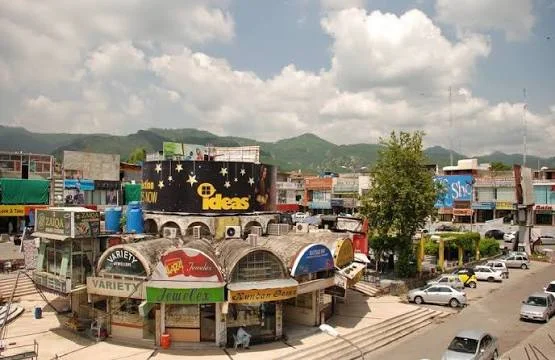
Jinnah Super Market (F-7)
Jinnah Super Market is one of the city’s busiest dining areas. Visitors can enjoy Pakistani, Chinese, Italian, Turkish, and fast food under one roof.
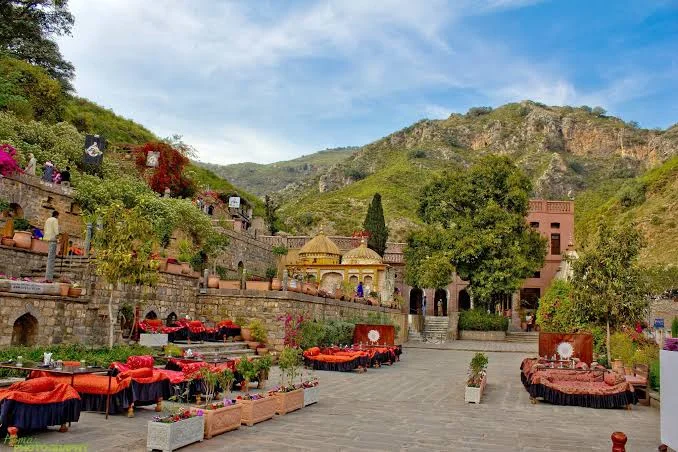
Saidpur Village
Located near the Margalla Hills, Saidpur Village combines traditional architecture with modern restaurants. Many visitors come here to enjoy local food while admiring the peaceful surroundings.
Shopping in Islamabad
Islamabad offers excellent shopping opportunities for every budget. Visitors can buy branded clothing, handicrafts, souvenirs, electronics, jewelry, and traditional Pakistani items.
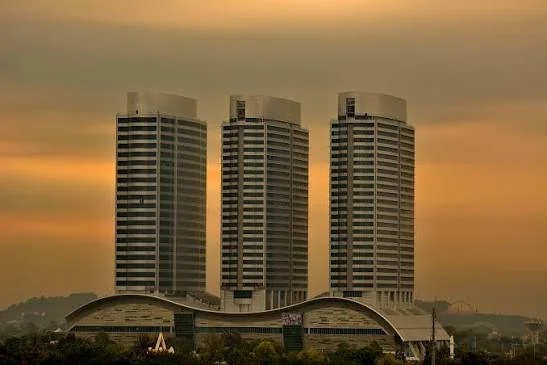
Centaurus Mall
Centaurus Mall is one of Pakistan’s largest shopping malls. It features hundreds of local and international brands, restaurants, cafés, entertainment facilities, and a modern food court.
Safa Gold Mall
Safa Gold Mall is another popular shopping destination located in F-7. It offers fashion brands, cafés, cinemas, and family entertainment.

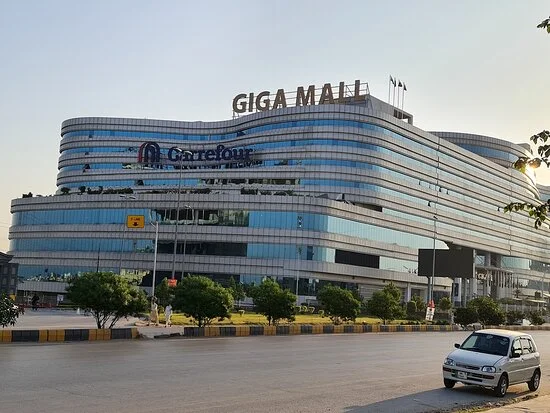
Giga Mall
Located on GT Road, Giga Mall attracts visitors from both Islamabad and Rawalpindi. The mall includes shopping outlets, restaurants, supermarkets, and entertainment areas.
Jinnah Super Market
Besides restaurants, Jinnah Super Market is also one of the best places to shop for clothing, books, handicrafts, gifts, and local products.
Frequently Asked Questions
What is the best time to visit Islamabad?
The best time to visit Islamabad is from March to May and September to November. During these months, the weather remains pleasant, making it ideal for sightseeing and outdoor activities.
How many days are enough to explore Islamabad?
A 2 to 3-day trip is enough to visit Islamabad’s major attractions. However, if you plan to explore nearby destinations such as Murree or Nathia Gali, consider staying for four to five days.
Is Islamabad safe for tourists?
Yes. Islamabad is one of the safest cities in Pakistan for local and international tourists. Still, it is always wise to follow general safety precautions and stay informed about local guidelines.
Is Islamabad good for family vacations?
Absolutely. Islamabad offers family-friendly parks, museums, restaurants, shopping malls, hiking trails, and picnic spots. Its clean environment and peaceful atmosphere make it one of the best family destinations in Pakistan.
Conclusion
Islamabad is more than just the capital of Pakistan. It is a city where modern development meets breathtaking natural beauty. From peaceful parks and scenic viewpoints to historical landmarks and vibrant food streets, Islamabad offers something for every traveler.
Whether you are planning your first visit or returning to explore more, the city promises memorable experiences throughout the year. You can enjoy panoramic views from the Margalla Hills, relax in beautiful parks, discover important national landmarks, and taste delicious local cuisine—all within a short distance
