
Pakistan is a land of faith and harmony. Pakistan is home to a remarkable collection of Hindu temples, each reflecting centuries of devotion, art, and cultural heritage. Despite being a minority religion in Pakistan, Hinduism has left an indelible mark on the landscape through ancient temples that attract pilgrims, historians, and tourists alike. From the sacred Hinglaj Mata Mandir in Balochistan to the vibrant Churrio Jabal Durga Mata Temple in Sindh, these temples offer a unique glimpse into the spiritual traditions of the region.
Visiting Hindu temples in Pakistan is not just a religious experience; it is also a journey into history, architecture, and local culture. These sites showcase the devotion of Hindu communities across centuries and highlight the syncretic cultural harmony that exists in Pakistan, where some local Muslims also revere these sites.
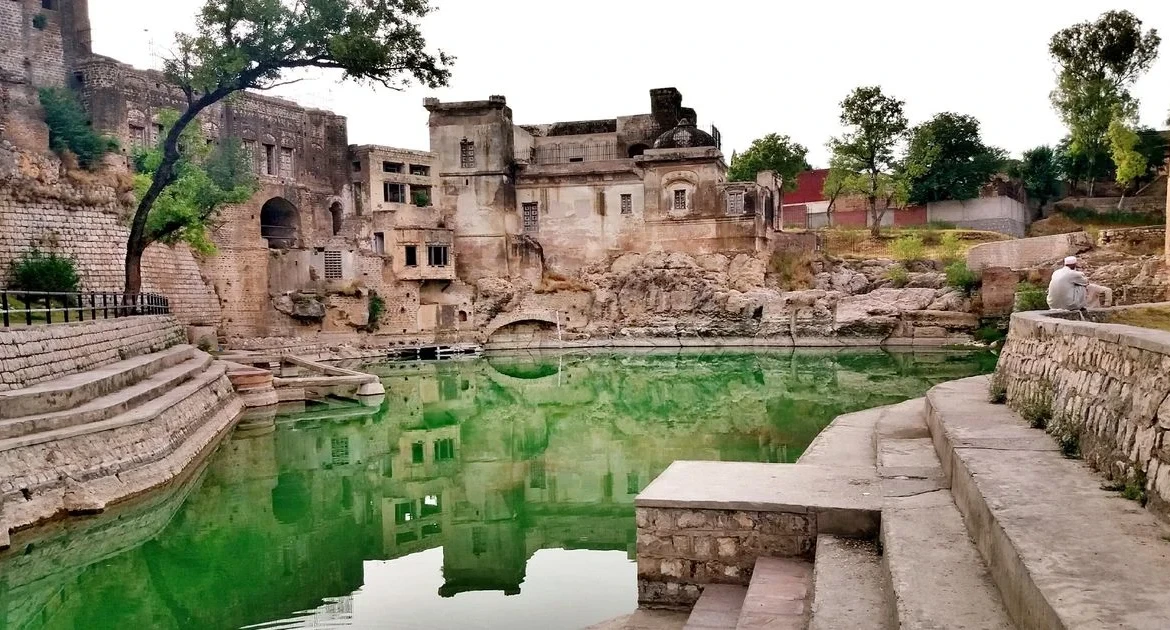
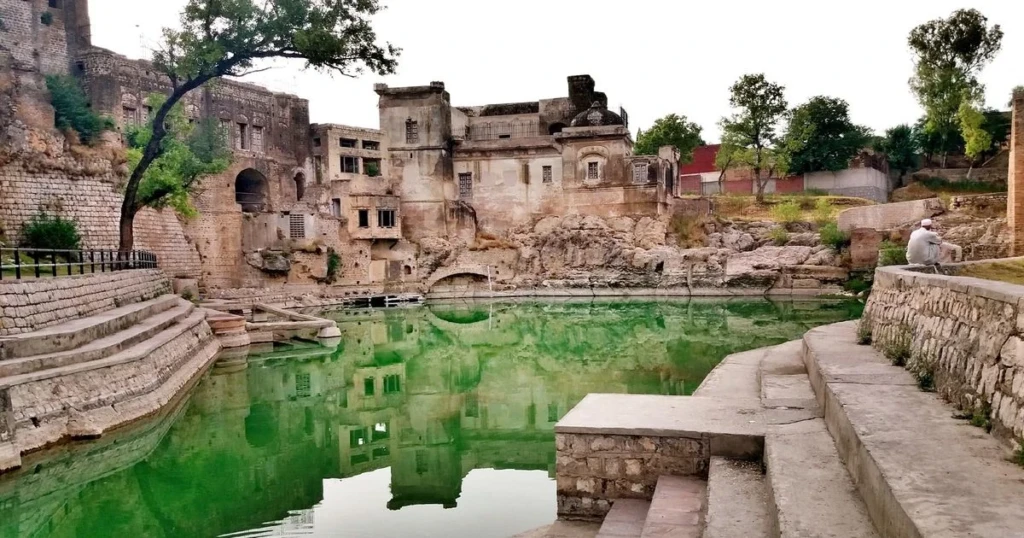
Katas Raj Temple
Katas Raj Temple are one of the most famous and easily accessible Hindu religious sites in Pakistan. They are located near Chakwal, about 115 km from Islamabad, and can be reached through the M2 Motorway by taking the Dina exit.
This temple complex is very ancient and is connected with Hindu mythology. It is believed that the sacred pond at the center of the temples was formed from the tears of Lord Shiva. Because of this belief, the place is considered very holy by visitors.
The complex includes several temples built in a simple but strong architectural style. These temples are raised on platforms and show the influence of old Kashmiri architecture. Visitors can walk around the area, explore the temples, and enjoy the peaceful environment.
The best time to visit Katas Raj is between October and March when the weather is cool and comfortable. It is a perfect place for a one-day trip from Islamabad or nearby cities.
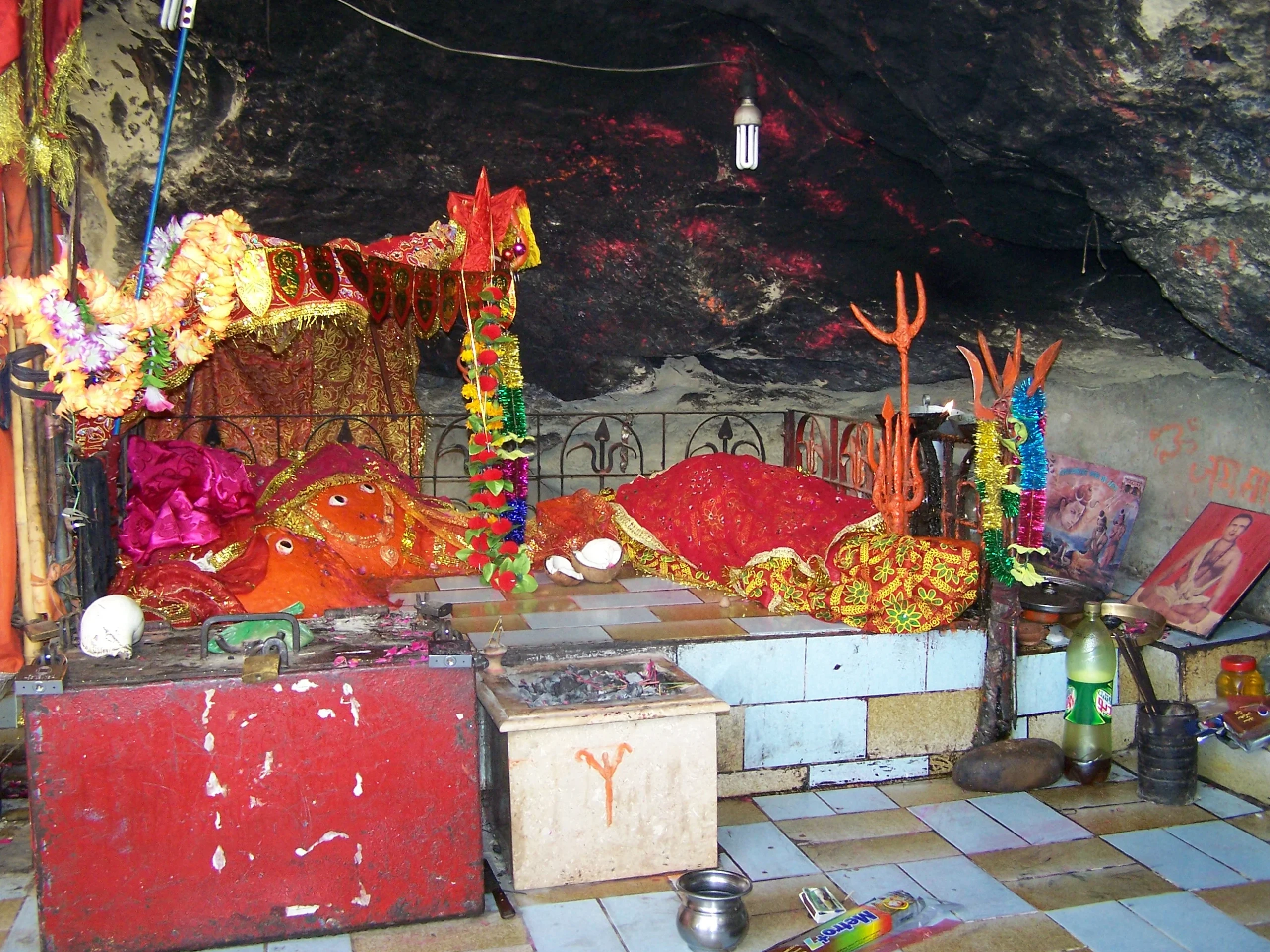
Hinglaj Mata Mandir, Balochistan
One of the most significant Hindu pilgrimage sites in Pakistan, Hinglaj Mata Mandir, is located in the remote Hingol National Park, Lasbela District of Balochistan. The temple is considered one of the 51 Shakti Peethas, sacred shrines where different parts of Goddess Sati’s body are believed to have fallen. Hinglaj Mata is worshiped as a powerful form of the Goddess Durga, and the temple attracts over 250,000 devotees during the annual Hinglaj Yatra.
The temple itself is situated in a cave along the Hingol River, surrounded by the dramatic landscapes of the Kirthar Mountains. Pilgrims often undertake a challenging journey to reach the site, which historically involved crossing 160 miles of desert, though modern infrastructure has made the journey more accessible. Devotees also visit sacred ponds and the Chandragup mud volcano nearby to perform rituals and seek blessings.
Hinglaj Mata Mandir is not only a religious site but also a cultural landmark, unifying Hindu communities from across Pakistan. Even local Muslim communities, including Zikri and Sufi followers, respect the shrine and participate in its protection and ceremonies.
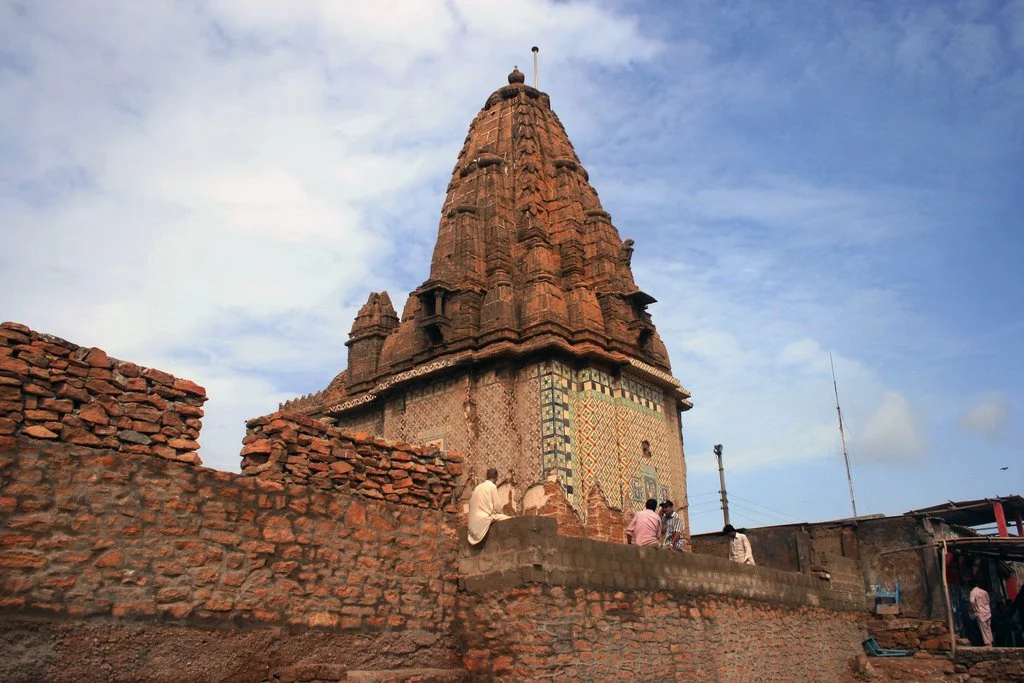
Shri Varun Dev Mandir, Karachi
Shri Varun Dev Mandir is located on Manora Island in Karachi and is dedicated to Lord Varuna, the deity of water in Hinduism. This temple is particularly significant for Sindhi Hindus, who also associate it with Jhulelal, a revered incarnation of Lord Varuna. The temple was originally commissioned by Bhojomal Nenshi Bhatia after acquiring Manora Island from the Khan of Kalat during the 16th century.
Over time, the temple fell into disrepair due to the harsh coastal climate, but restoration efforts by the Evacuee Trust Property Board and the Sindh Exploration and Adventure Society in 2018 revived the structure. Today, the temple stands as a testament to centuries of devotion and is an important site for cultural and religious gatherings of Karachi’s Hindu community.
Visitors to the temple are often drawn to its serene location near the sea, making it a peaceful spiritual retreat while also highlighting the rich maritime history of Sindh. The inscriptions on the temple, in both Sindhi and Devanagari scripts, reflect the historical legacy of the community that built and preserved this sacred site.(Wikipedia, https://en.wikipedia.org/wiki/Shri_Varun_Dev_Mandir )
Churrio Jabal Durga Mata Temple, Sindh
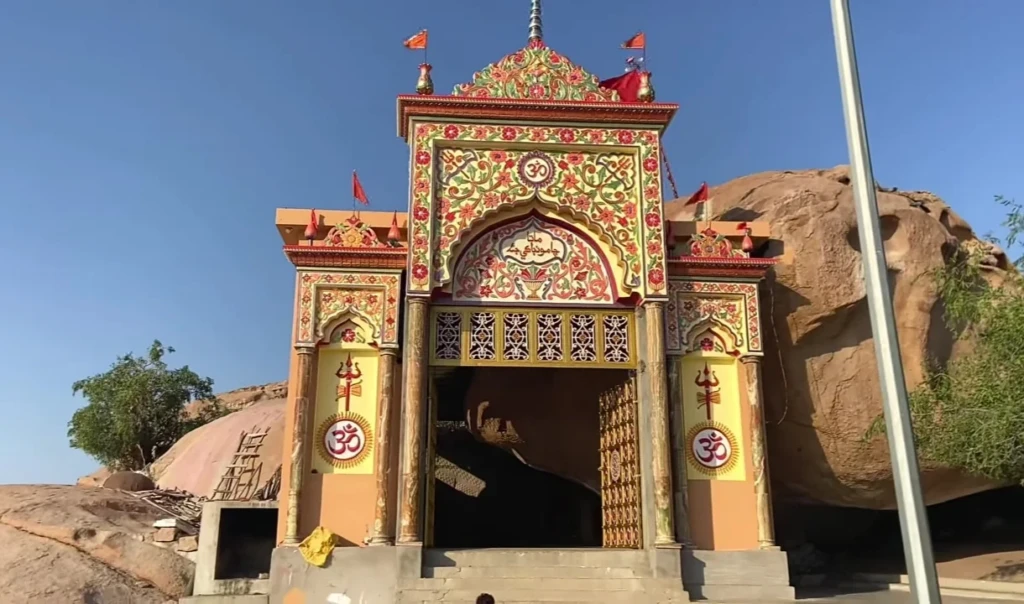
Located on Churrio Hill in Nangarparkar, Sindh, the Churrio Jabal Durga Mata Temple is a revered Hindu shrine. Dedicated to Goddess Durga, the temple is an important spiritual center for Hindus from Pakistan and neighboring countries. Pilgrims visit the temple to perform rituals for the departed, immersing cremated ashes in holy water during festivals like Shivratri.
The surrounding hill, known for its rare and multicolored granite, has historically supported the local bangle-making industry. The name “Churrio” itself is derived from the Sindhi word for bangles, reflecting the cultural heritage of the region. Unfortunately, mining activities in the area pose a threat to the temple and the hills, prompting protests from local Hindu communities.
Churrio Jabal’s temple is not only a religious site but also a symbol of the resilience of Hindu traditions in Sindh. Despite environmental and commercial pressures, the temple continues to attract thousands of pilgrims, emphasizing the strong spiritual and cultural bonds of the community.
Shivala Teja Singh Temple, Sialkot
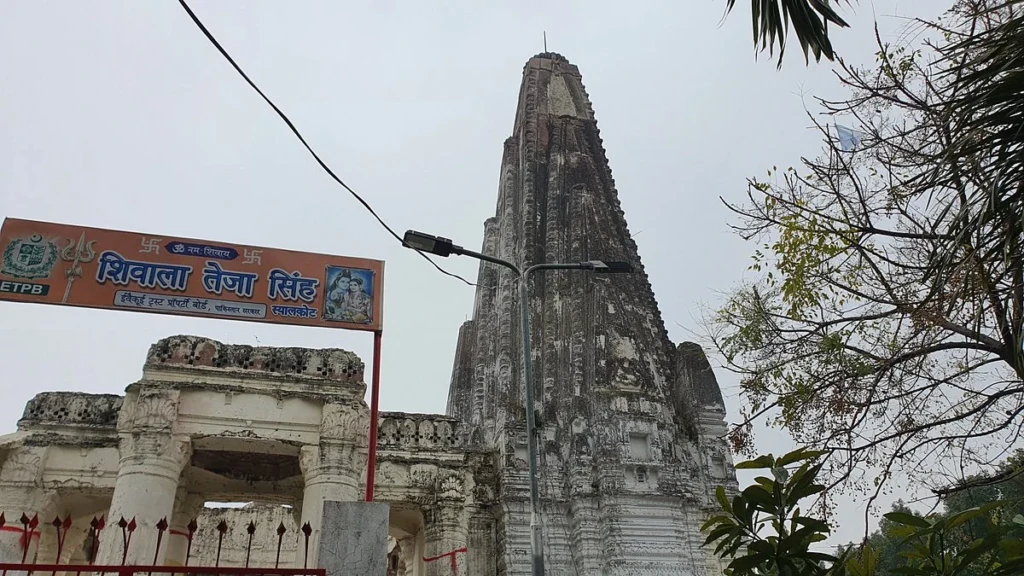
In the Punjab province, the Shivala Teja Singh Temple in Sialkot stands as a historic landmark dedicated to Lord Shiva. Built by Sardar Teja Singh, the temple has endured significant challenges, including being sealed during the Partition of 1947 and partially demolished in 1992. The Pakistan government, along with the Sir Ganga Ram Heritage Foundation, has restored the temple, ensuring it remains accessible for modern worshippers.
The temple is now managed by the Pakistan Hindu Council, and Pandit Bhagat Jashpal serves as the official priest. Pilgrims visit the temple to perform traditional rituals, including pooja, arti, and bhajan-kirtan, maintaining centuries-old Hindu practices. The temple serves as a spiritual center for Sialkot’s Hindu community, demonstrating how historical sites continue to play an active role in religious life.
Why Visit Hindu Temples in Pakistan
Visiting Hindu temples in Pakistan is a deeply enriching experience for several reasons. Firstly, these sites offer insight into centuries-old traditions that have survived social and political upheavals. They provide an opportunity to witness authentic rituals, local festivals, and vibrant cultural practices that are integral to Hinduism.
Secondly, Hindu temples in Pakistan are often situated in regions of remarkable natural beauty, from the deserts of Sindh to the mountains of Balochistan. Pilgrims and tourists alike can enjoy the combination of spiritual and environmental exploration. For historians and art enthusiasts, the temples’ intricate carvings, inscriptions, and architectural details are invaluable for understanding South Asia’s cultural heritage.
Finally, visiting these temples supports the preservation of cultural heritage. Many temples have undergone restoration and rely on community involvement and awareness to continue thriving. By visiting these sites, tourists and devotees contribute to maintaining and celebrating Pakistan’s diverse religious and cultural history.
Festivals and Pilgrimages
Annual pilgrimages are a key feature of Hindu temples in Pakistan. The Hinglaj Yatra draws hundreds of thousands of devotees, while Churrio Jabal sees major gatherings during Shivratri. These events are characterized by processions, ritual baths, offerings, and communal prayers.
In Sindh, the Varun Dev Mandir hosts ceremonies and festivals tied to water deities, while the Shivala Teja Singh Temple in Punjab serves as a hub for Shiva devotees throughout the year. These festivals not only allow worshippers to express their faith but also reinforce community bonds and cultural identity among Pakistan’s Hindu population.
Conclusion
Hindu temples in Pakistan are much more than places of worship—they are living monuments of history, culture, and spirituality. From the cave sanctuaries of Balochistan to the coastal serenity of Karachi and the deserts of Sindh, these temples reflect the enduring devotion of Hindu communities and their contribution to Pakistan’s diverse cultural landscape.
Visiting these temples provides a unique opportunity to engage with South Asia’s rich spiritual heritage, experience local traditions, and appreciate the intricate artistry that has been preserved over centuries. Whether you are a pilgrim, historian, or traveler, the Hindu temples of Pakistan offer a profound journey into faith, culture, and history.
