
Lahore, often called the cultural heart of Pakistan, is home to some of the most remarkable historical sites in Lahore and across South Asia. From magnificent Mughal forts and mosques to Sikh-era gardens and colonial monuments, the city preserves centuries of architectural and cultural heritage. These historical sites not only attract tourists from across Pakistan but also provide valuable insight into the region’s rich past.
Lahore offers countless opportunities to explore Mughal architecture, religious landmarks, UNESCO World Heritage Sites, and historic streets.This guide highlights the most famous historical sites in Lahore and explains why they remain essential destinations for visitors, students, photographers, and history enthusiasts.
Why Lahore Is Famous for Its Historical Heritage
Lahore has served as a major cultural, political, and economic center for centuries. The city flourished under the Mughal Empire, witnessed the rise of the Sikh Kingdom, and later became an important administrative hub during British rule. The city showcases a remarkable collection of monuments, gardens, mosques, forts, and heritage buildings that highlight its diverse architectural and historical legacy.
Today, many of these landmarks remain well-preserved and continue to attract local and international visitors. Exploring the historical sites in Lahore offers a unique opportunity to understand the city’s rich legacy and its role in shaping the history of the Indian subcontinent.
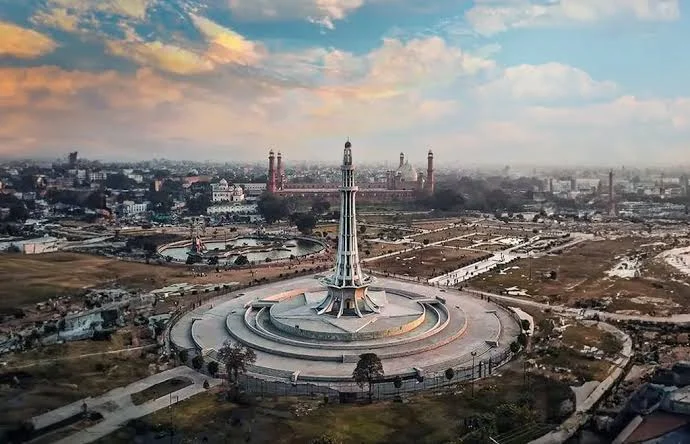
1. Lahore Fort (Shahi Qila)
Located in the northwestern corner of Lahore’s Walled City, Lahore Fort is one of the most iconic historical sites in Pakistan.Emperor Akbar rebuilt Lahore Fort in 1566, and later Mughal rulers, including Jahangir, Shah Jahan, and Aurangzeb, expanded the complex into one of the finest examples of Mughal architecture.
The fort served as the royal residence of Mughal emperors and remains a masterpiece of Islamic, Persian, and South Asian architecture.

Highlights of Lahore Fort
Among the most impressive attractions inside Lahore Fort are the magnificent Sheesh Mahal, also known as the Palace of Mirrors, the elegant Naulakha Pavilion, and the grand Alamgiri Gate. Visitors can also admire the famous Picture Wall, explore the royal audience halls where emperors once held court, and discover the mysterious underground chambers that add to the fort’s historical intrigue.
Visitors interested in Mughal architecture and royal history should also explore our detailed guide on Lahore Fort (Shahi Qila).
2. Badshahi Mosque
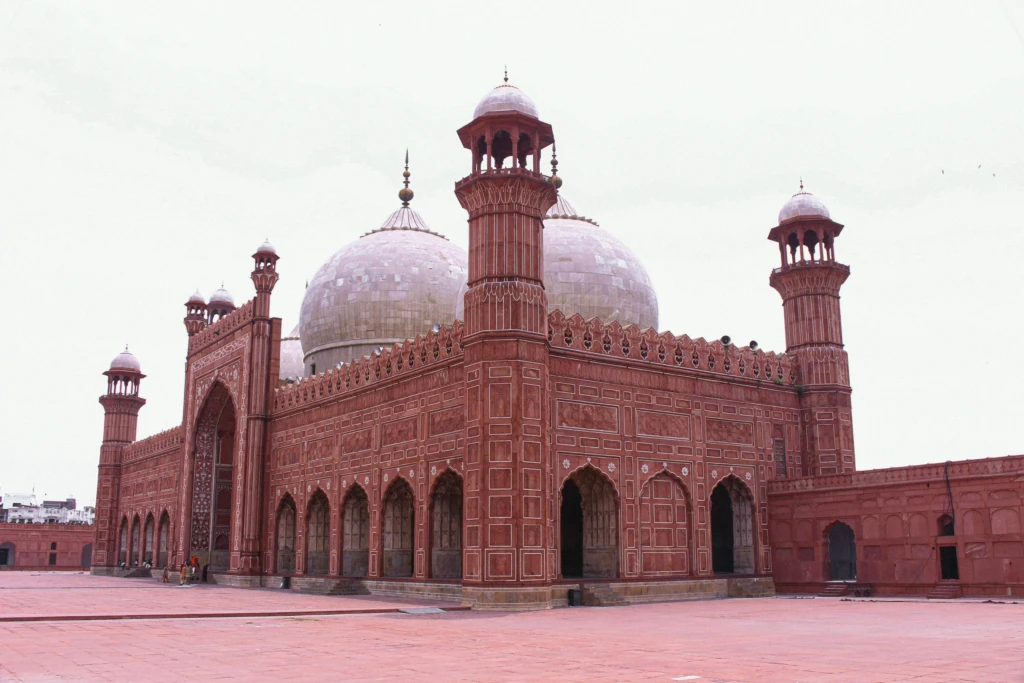
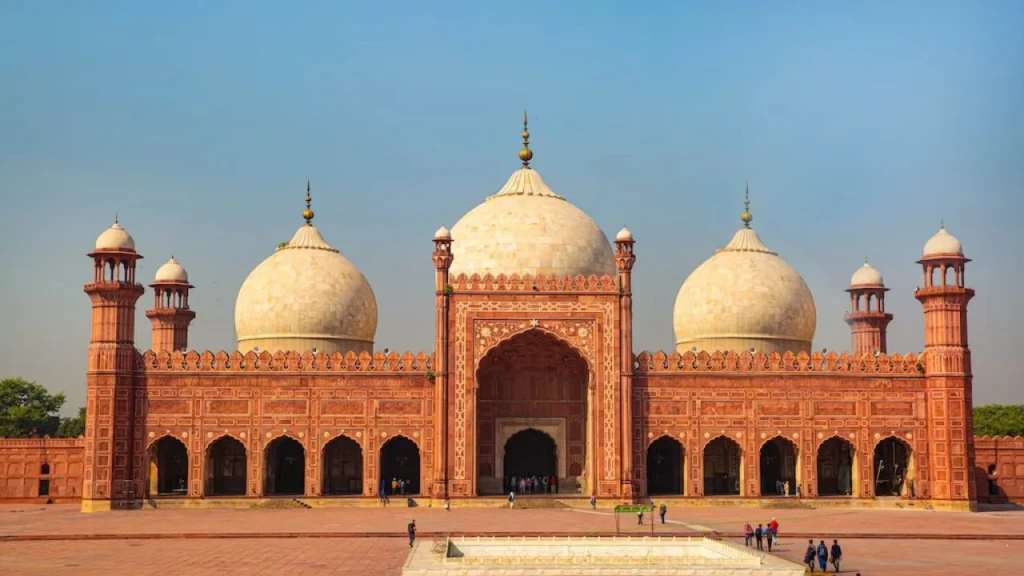
Standing opposite Lahore Fort, the Badshahi Mosque is one of the largest and most magnificent mosques in the world. Built by Emperor Aurangzeb in 1671, it represents the pinnacle of Mughal religious architecture.
Constructed primarily from red sandstone with elegant marble inlays, the mosque features a vast courtyard capable of accommodating more than 55,000 worshippers.
Why Visit Badshahi Mosque?
Visitors are drawn to the Badshahi Mosque for its stunning Mughal architecture, expansive prayer courtyard, and beautifully crafted marble domes. The mosque also houses a historic relic museum that adds religious and cultural significance to the site. Its impressive scale and architectural beauty make it one of the best locations in Lahore for photography and sightseeing.
Its spiritual significance and architectural grandeur make it one of the most visited landmarks in Lahore.
For more details, read our complete Badshahi Mosque Lahore Travel Guide.
3. Shalimar Gardens
The Shalimar Gardens are among the finest examples of Mughal landscape design in South Asia. Commissioned by Emperor Shah Jahan in 1641, these gardens were designed according to the Persian concept of paradise gardens.
Spread across three terraces, the gardens feature more than 400 fountains, elegant marble pavilions, flowing water channels, historic trees, and beautifully maintained floral landscapes. The symmetrical layout reflects the classic principles of Mughal garden design and creates a peaceful environment that has captivated visitors for centuries.
The peaceful atmosphere makes Shalimar Gardens an ideal destination for families, photographers, and history enthusiasts.
Learn more in our detailed Shalimar Gardens Lahore Guide.

4. Minar-e-Pakistan
Located in Greater Iqbal Park, Minar-e-Pakistan is one of the most important national monuments in Pakistan. It marks the historic location where the Lahore Resolution was passed on March 23, 1940, paving the way for the creation of Pakistan.
Standing approximately 70 meters tall, the monument combines Islamic and modern architectural elements.
Key Features
Minar-e-Pakistan is celebrated for its immense historical significance and its role in Pakistan’s independence movement. Visitors can enjoy the beautifully landscaped gardens surrounding the monument, panoramic views of the area, and a family-friendly environment that makes it suitable for people of all ages. As a symbol of national heritage, it remains one of Lahore’s most meaningful landmarks.
Minar-e-Pakistan remains a symbol of independence, unity, and national identity.

5. Tomb of Jahangir
Situated in Shahdara Bagh across the Ravi River, the Tomb of Jahangir is one of Lahore’s most elegant Mughal monuments. Built in 1637 by Emperor Shah Jahan in memory of his father, Emperor Jahangir, the tomb showcases exceptional craftsmanship.
Architectural Highlights
The tomb is constructed primarily from red sandstone and decorated with exquisite white marble embellishments. Visitors can admire intricate pietra dura floral artwork, four majestic minarets positioned at each corner, and beautifully landscaped Charbagh-style gardens that surround the structure. Together, these elements create one of the finest examples of Mughal funerary architecture in the region.
The peaceful surroundings and intricate details make it one of the most beautiful historical sites in Lahore.

6. Wazir Khan Mosque
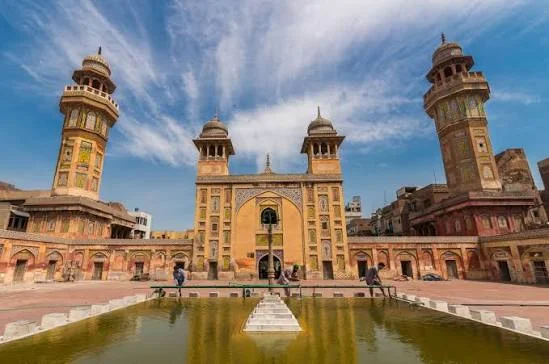
Located near Delhi Gate in the Walled City, Wazir Khan Mosque is widely regarded as one of the most artistically decorated mosques in Pakistan.
Completed in 1641 during the reign of Shah Jahan, the mosque is famous for its colorful tile mosaics, frescoes, and intricate calligraphy.
What Makes It Special?
What sets Wazir Khan Mosque apart is its exceptional kashi kari tile work, detailed fresco paintings, and remarkably preserved Mughal architecture. The vibrant colors, intricate patterns, and artistic craftsmanship found throughout the mosque make it a masterpiece of Islamic art and an important cultural landmark within Lahore’s historic center.
Read more in our dedicated Wazir Khan Mosque Guide.
7. Hazuri Bagh and Baradari
Situated between Lahore Fort and Badshahi Mosque, Hazuri Bagh is a historic garden built during the Sikh era. At its center stands the Hazuri Bagh Baradari, constructed by Maharaja Ranjit Singh in 1818.
The pavilion was built to celebrate the acquisition of the famous Koh-i-Noor diamond and once served as a royal gathering place.
Reasons to Visit
Hazuri Bagh offers visitors a unique opportunity to explore Sikh-era heritage while enjoying the scenic surroundings between two of Lahore’s most famous landmarks. The historic marble pavilion provides excellent photography opportunities and serves as a reminder of the city’s diverse historical influences. Its central location also makes it easy to include in any heritage tour of Lahore.
Hazuri Bagh beautifully connects Lahore’s Mughal and Sikh histories.

8. Chauburji
Chauburji is one of Lahore’s most recognizable Mughal monuments. Built in 1646, it originally served as the grand entrance to a large Mughal garden that no longer exists.
The structure derives its name from its four distinctive minarets and remains an important example of Mughal architectural design.
Notable Features
Chauburji is admired for its decorative tile work, elegant Persian inscriptions, and intricate floral motifs that showcase the artistic excellence of the Mughal era. As a surviving gateway structure, it provides valuable insight into the architectural style and cultural significance of the gardens that once flourished around it.
Despite the disappearance of the original garden, Chauburji continues to preserve an important chapter of Lahore’s heritage.

9. Delhi Gate and the Walled City of Lahore
Delhi Gate is one of the most famous entrances to Lahore’s historic Walled City. During the Mughal era, it was among the thirteen gates that protected the city and facilitated trade and travel.
Today, the gate serves as a starting point for exploring Lahore’s old neighborhoods, bustling bazaars, historic mosques, and restored havelis.

Things to Explore Nearby
Visitors entering through Delhi Gate can explore heritage trails that wind through the Walled City, traditional bazaars filled with local crafts and goods, beautifully restored historic havelis, vibrant food streets, and numerous cultural landmarks that reflect centuries of urban life. The area offers one of the most authentic experiences of Lahore’s living heritage.
Walking through Delhi Gate offers visitors an authentic glimpse into Lahore’s living history.
Best Time to Visit Historical Sites in Lahore
The ideal time to explore Lahore’s historical attractions is between October and March when temperatures are pleasant and outdoor sightseeing is more comfortable.
Travel Tips
To make the most of your visit, consider arriving early in the morning when attractions are less crowded. Comfortable walking shoes are recommended, especially when exploring large sites such as Lahore Fort and the Walled City. Carrying water is advisable during warmer months, and visitors should respect local customs when entering religious sites. Hiring a knowledgeable guide can also enhance the experience by providing deeper historical context and fascinating stories about each landmark.
Frequently Asked Questions
What is the most famous historical site in Lahore?
Lahore Fort and Badshahi Mosque are widely considered the most famous historical landmarks in Lahore.
Which historical sites in Lahore are UNESCO World Heritage Sites?
Lahore Fort and Shalimar Gardens are recognized as UNESCO World Heritage Sites.
How many historical sites are there in Lahore?
Lahore is home to dozens of historical landmarks, including forts, mosques, gardens, tombs, museums, and colonial-era buildings.
What is the best time to visit Lahore’s historical attractions?
The best time to visit is from October to March when the weather is cooler and ideal for sightseeing.
Are Lahore’s historical sites suitable for families?
Yes. Most major attractions, including Lahore Fort, Shalimar Gardens, Minar-e-Pakistan, and Badshahi Mosque, are family-friendly destinations.
Conclusion
The historical sites in Lahore reflect the city’s extraordinary journey through the Mughal, Sikh, and British eras. From the grandeur of Lahore Fort and Badshahi Mosque to the artistic beauty of Wazir Khan Mosque and the peaceful landscapes of Shalimar Gardens, each landmark tells a unique story about Lahore’s cultural and architectural heritage.
Whether you are a history enthusiast, photographer, student, or traveler, these remarkable sites offer an unforgettable experience and a deeper understanding of Pakistan’s rich past.
As one of South Asia’s most historically significant cities, Lahore continues to preserve its legacy through these timeless monuments that inspire visitors from around the world.
